Glen Park (5A)
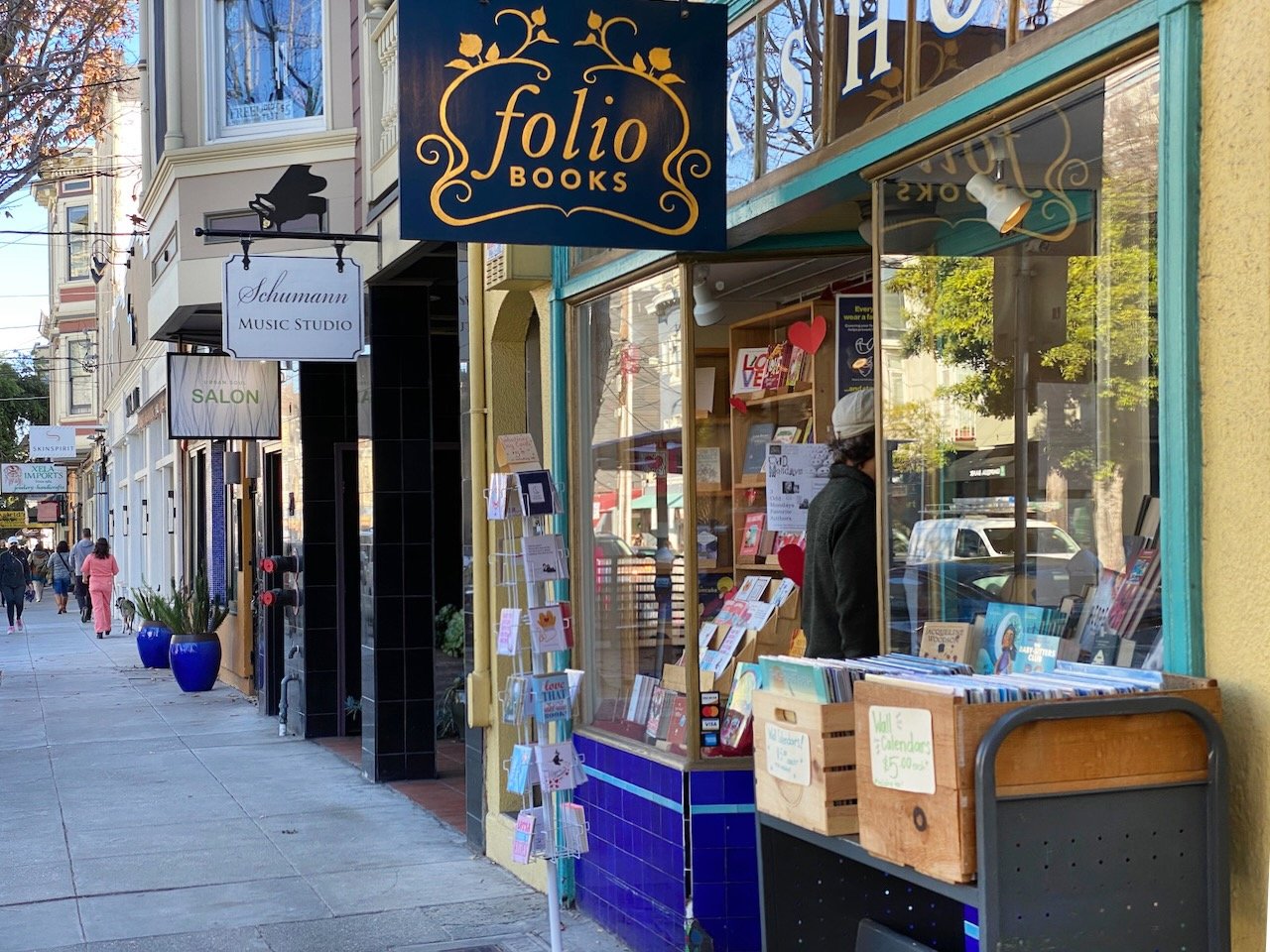
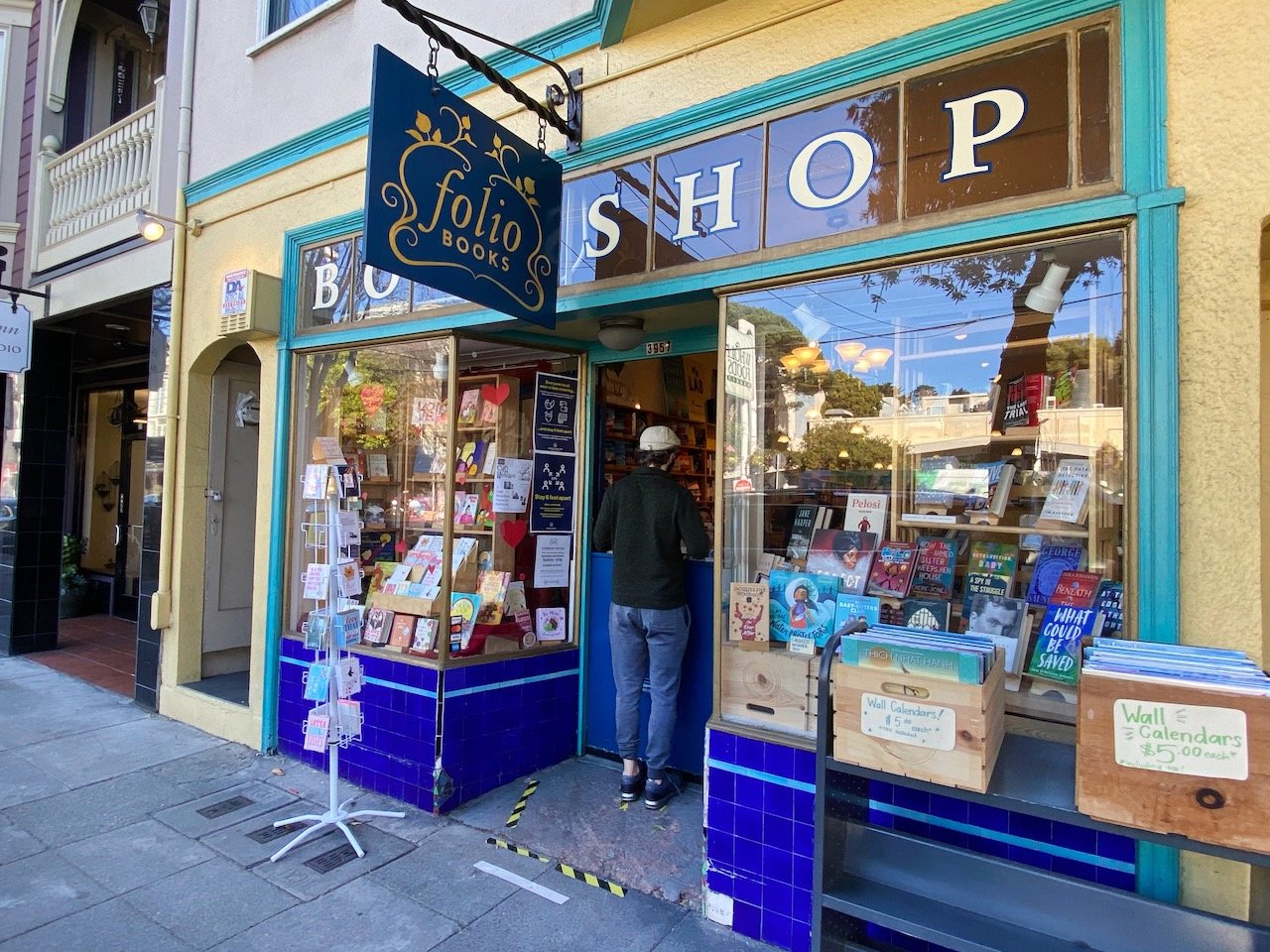
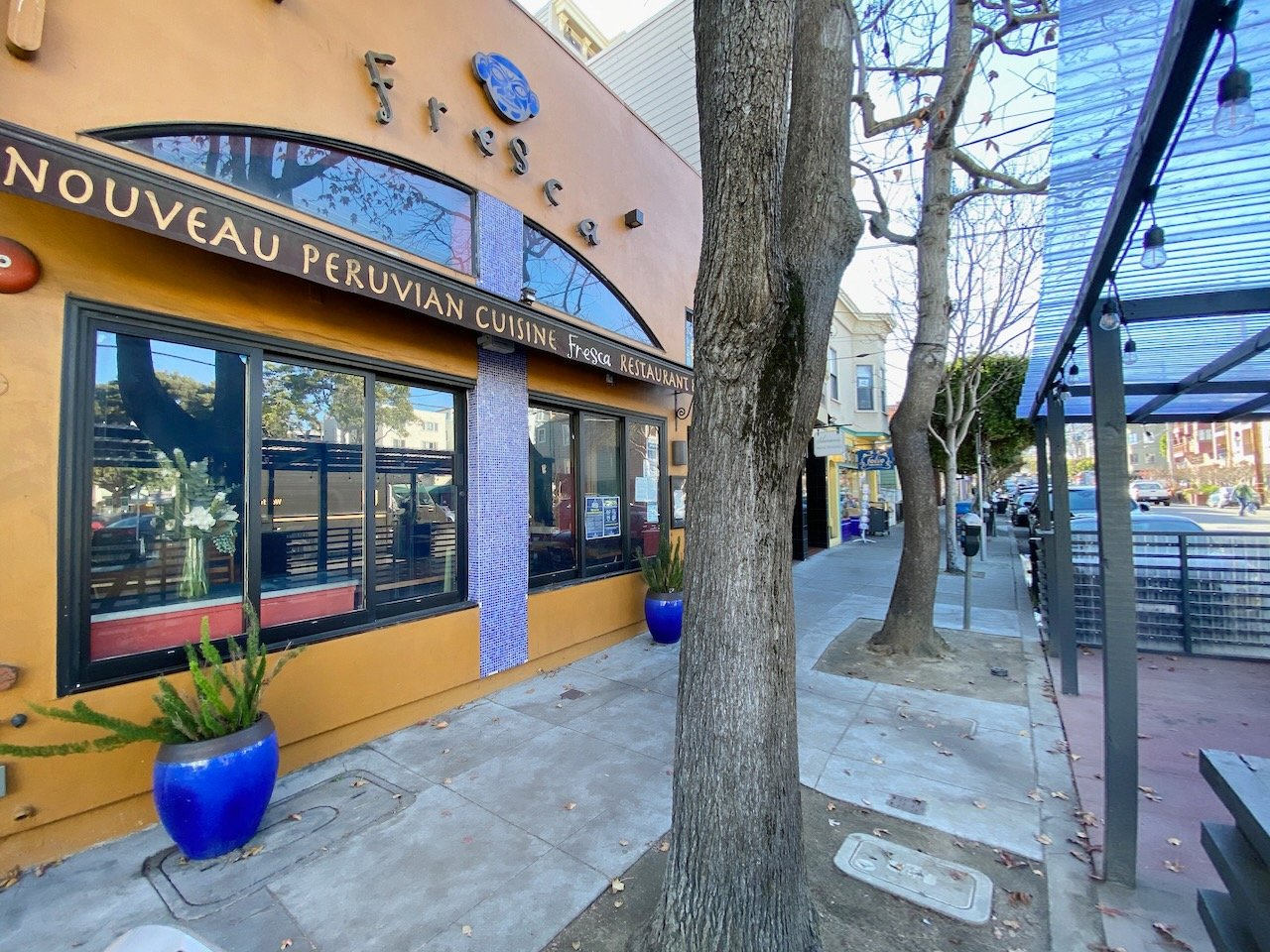
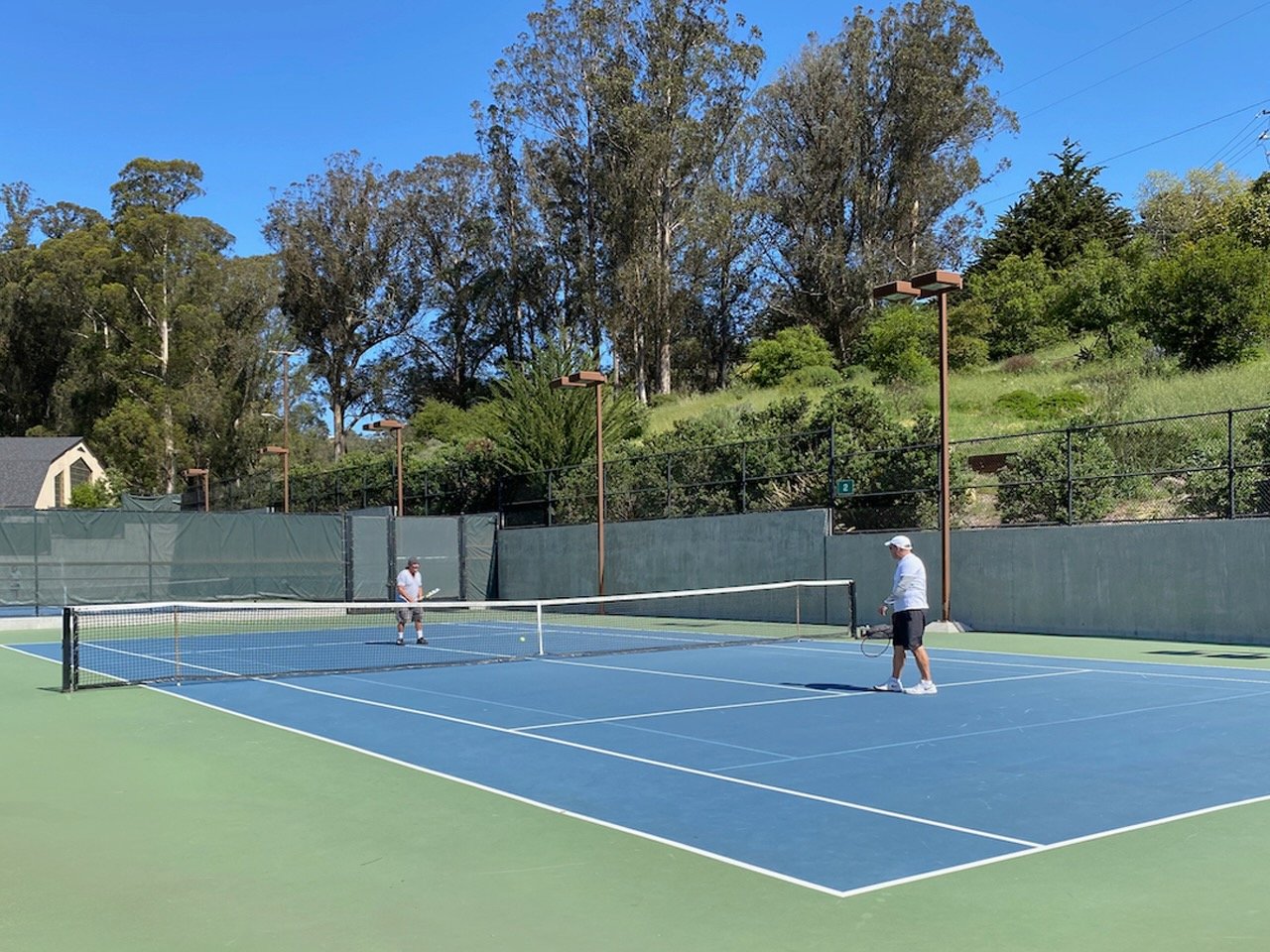
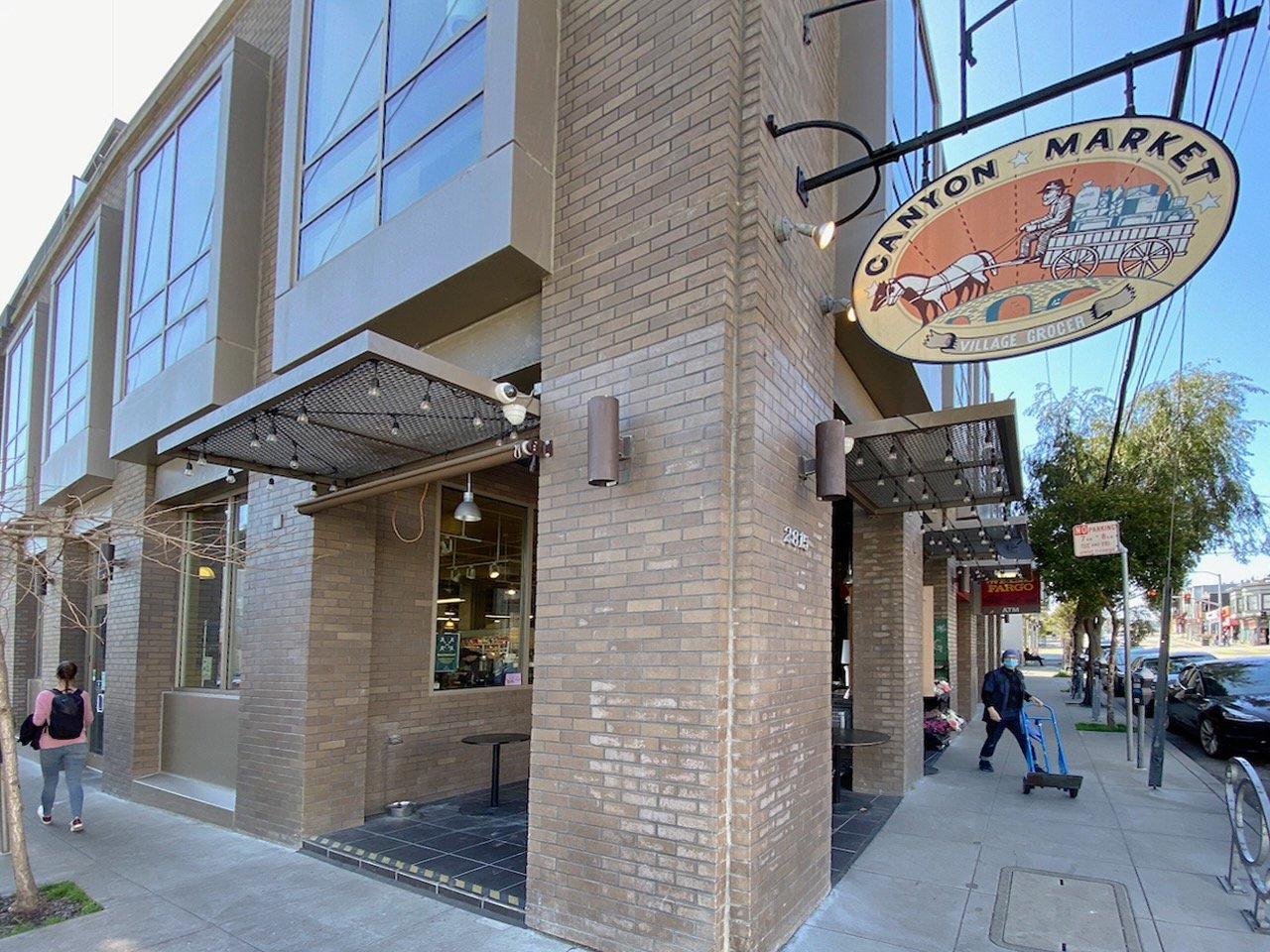
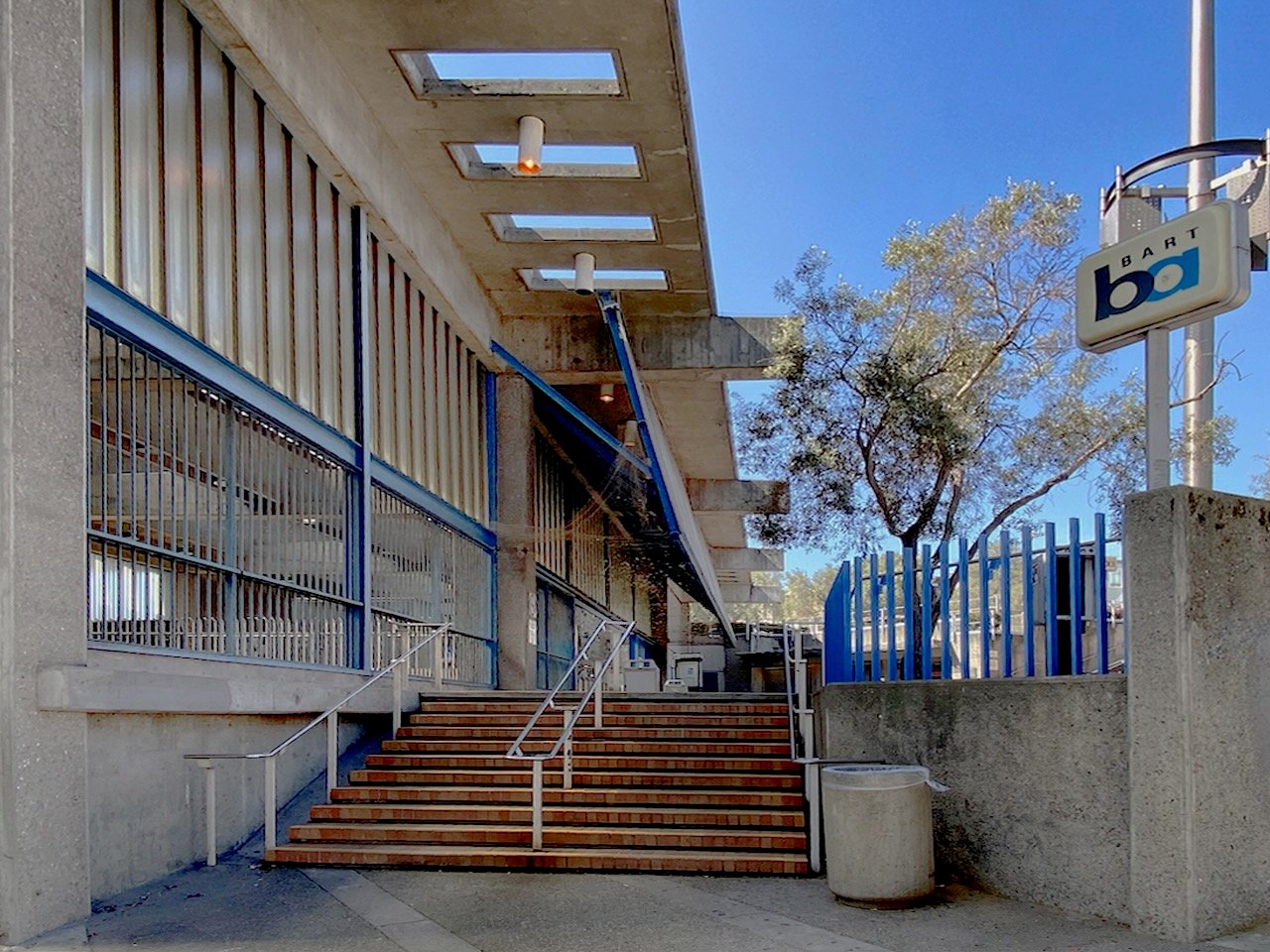
Glen Park is one of San Francisco's most beloved small-neighborhood success stories. It has the bones of a genuine village — a single-block downtown on Diamond Street with a bookshop, a wine bar, a coffee roaster, and a taqueria, all operating within 200 feet of each other — and the outdoor infrastructure to match: Glen Canyon Park, one of the city's great urban wilderness parks, offers miles of creek trails and open hillsides that feel genuinely wild. Glen Park BART Station sits at the neighborhood's center, making it one of the most transit-convenient residential neighborhoods in the city. Homes are a mix of Craftsman cottages, Edwardians, and mid-century singles — modest in scale, fiercely loved by their owners.
Glen Park is one of District 5's most consistently competitive sub-markets. The BART adjacency, canyon access, and village scale command strong demand with limited inventory — multiple offers are the norm for well-presented homes.
Haight Ashbury (5B)
Haight Ashbury is one of the most culturally loaded addresses in American history, and living here means inheriting that identity alongside the Victorian architecture. The Upper Haight commercial corridor — Haight Street from Central to Stanyan — is a mix of independent record shops, vintage clothing stores, and restaurants that have evolved far beyond the neighborhood's 1960s reputation. Cha Cha Cha for sangria and Caribbean small plates has been an institution for decades. Buena Vista Park, the city's oldest public park, is steps away, and the panhandle of Golden Gate Park connects directly into the larger park system to the west.
The housing stock — grand Painted Ladies and substantial Victorians — is among the most architecturally significant in San Francisco. For move-up buyers who want character, history, and a neighborhood that announces itself, Haight Ashbury delivers in every direction.
Noe Valley (5C)
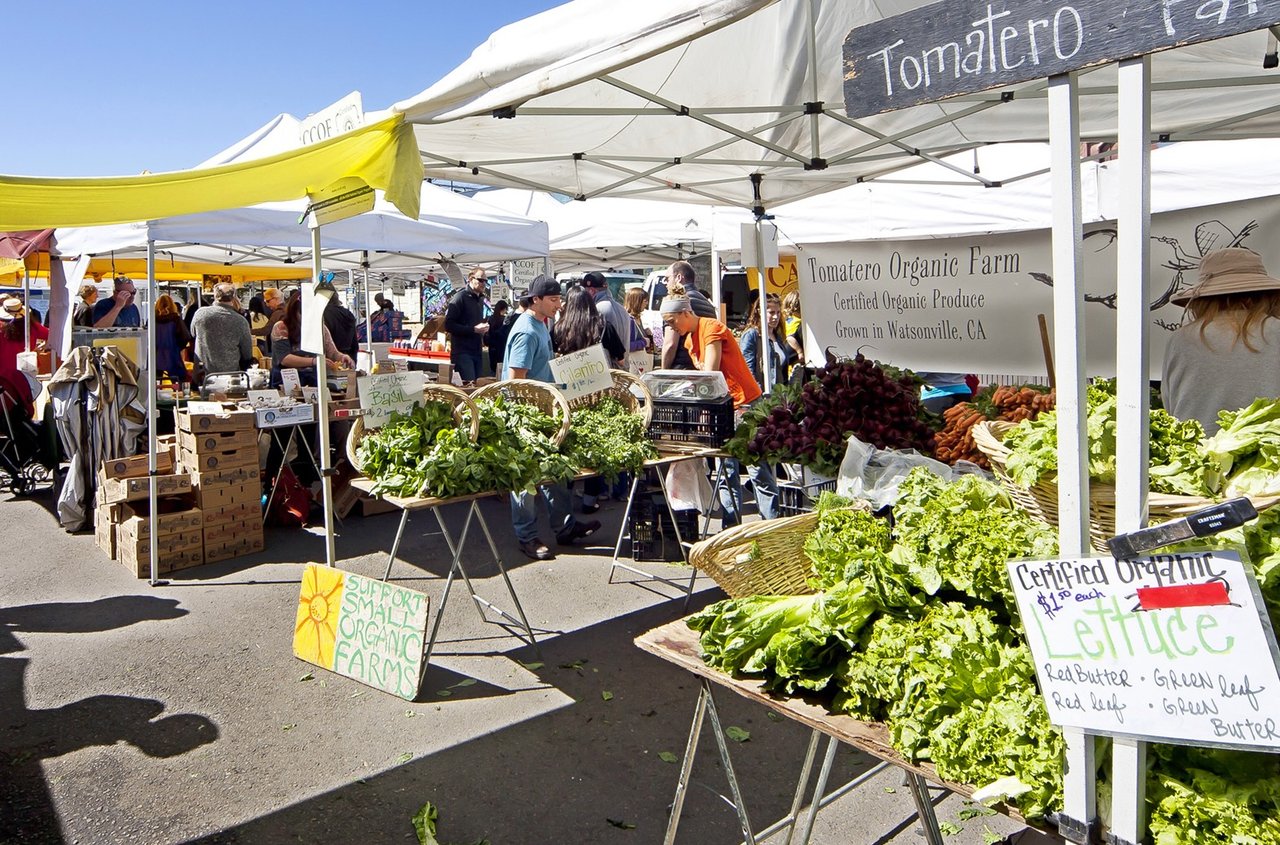
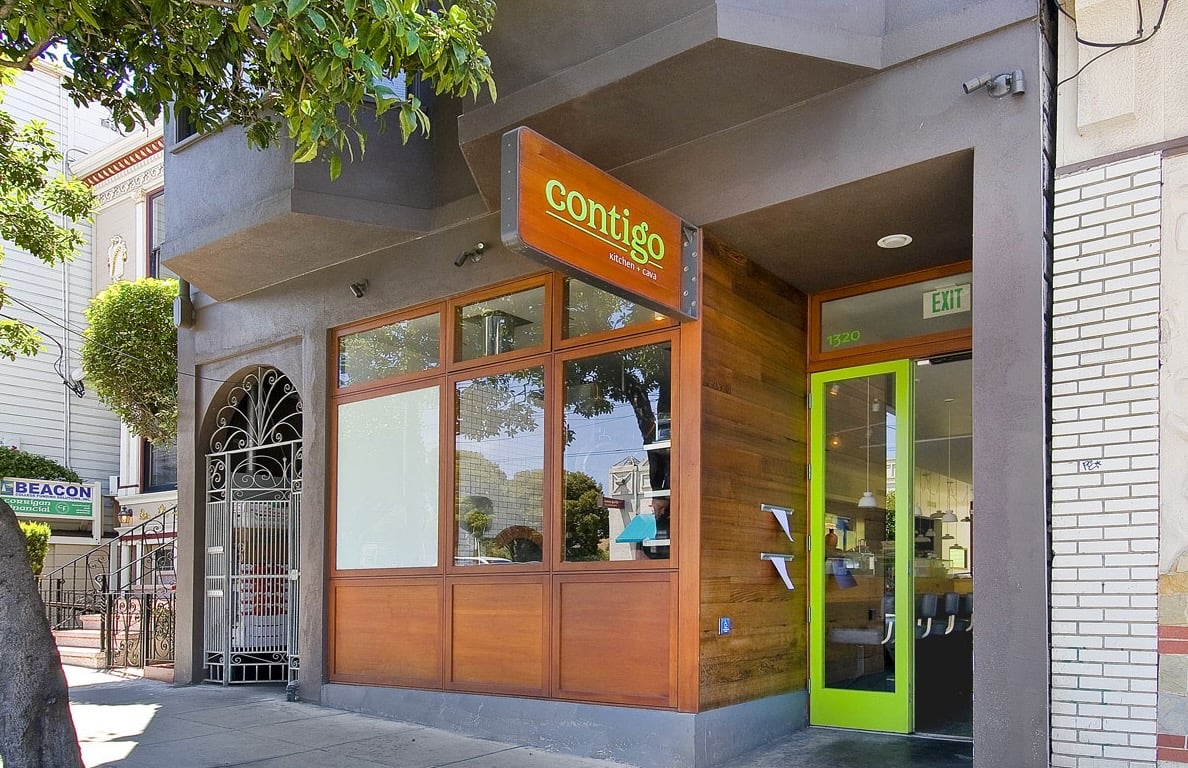
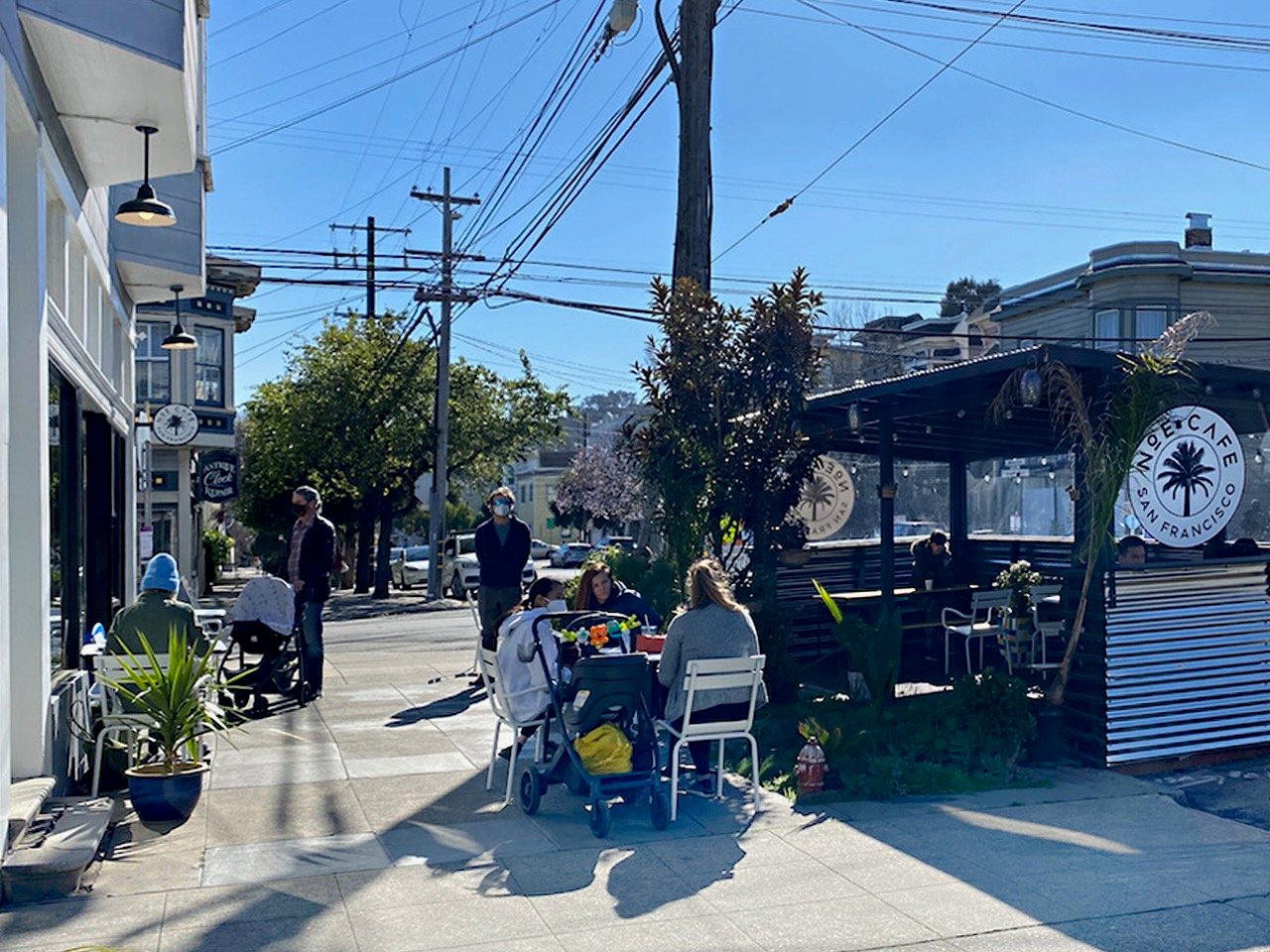
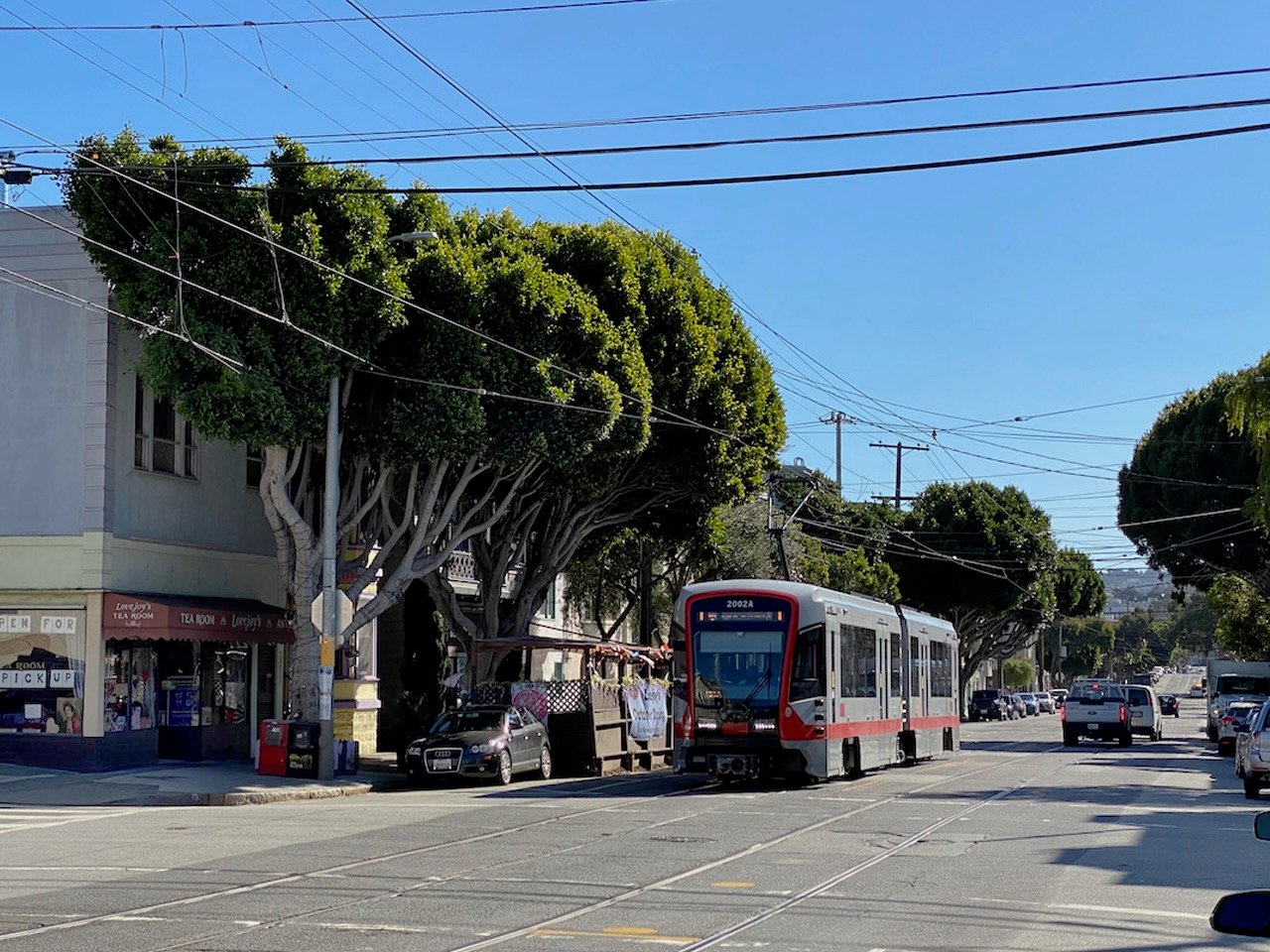
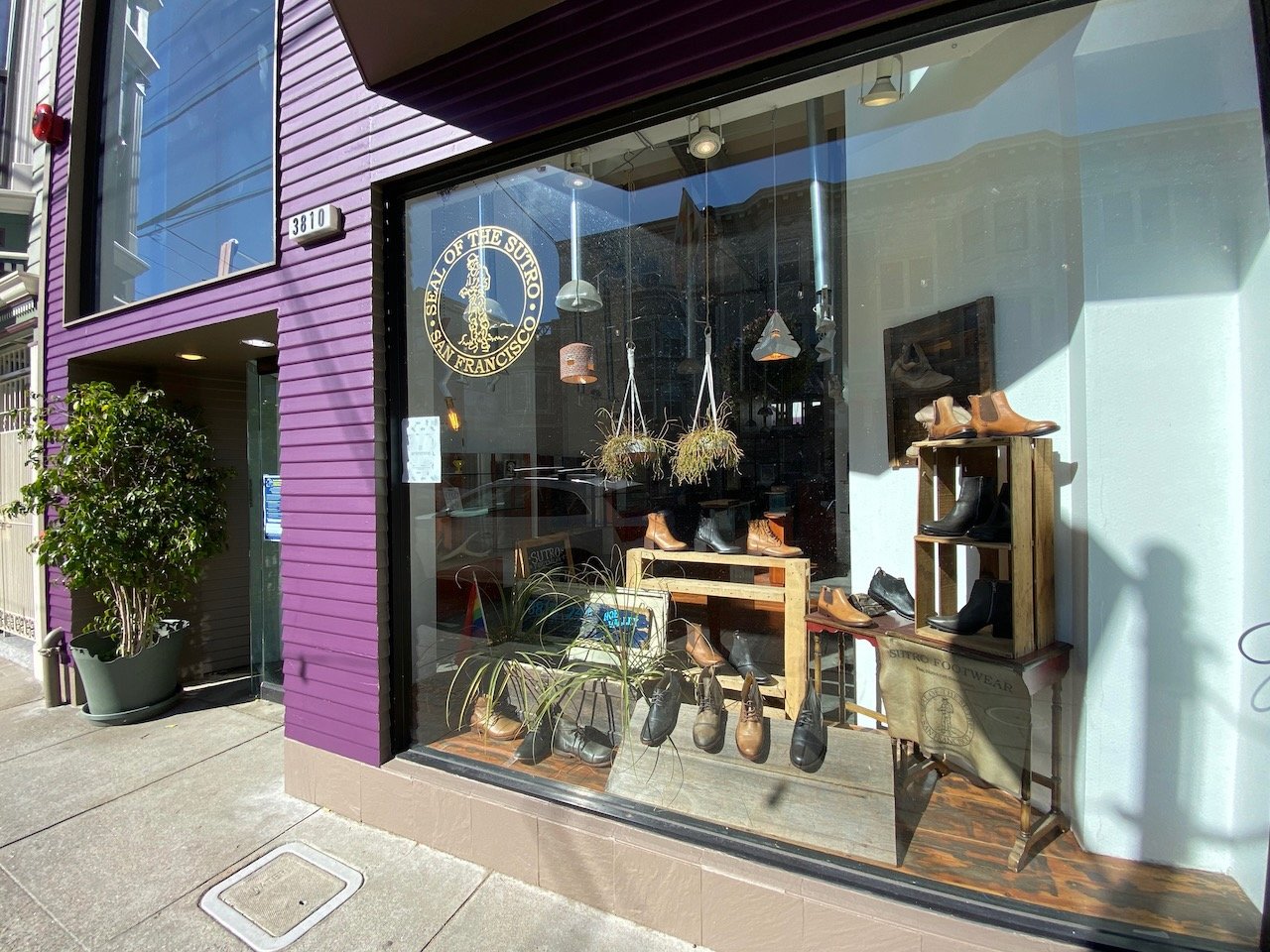
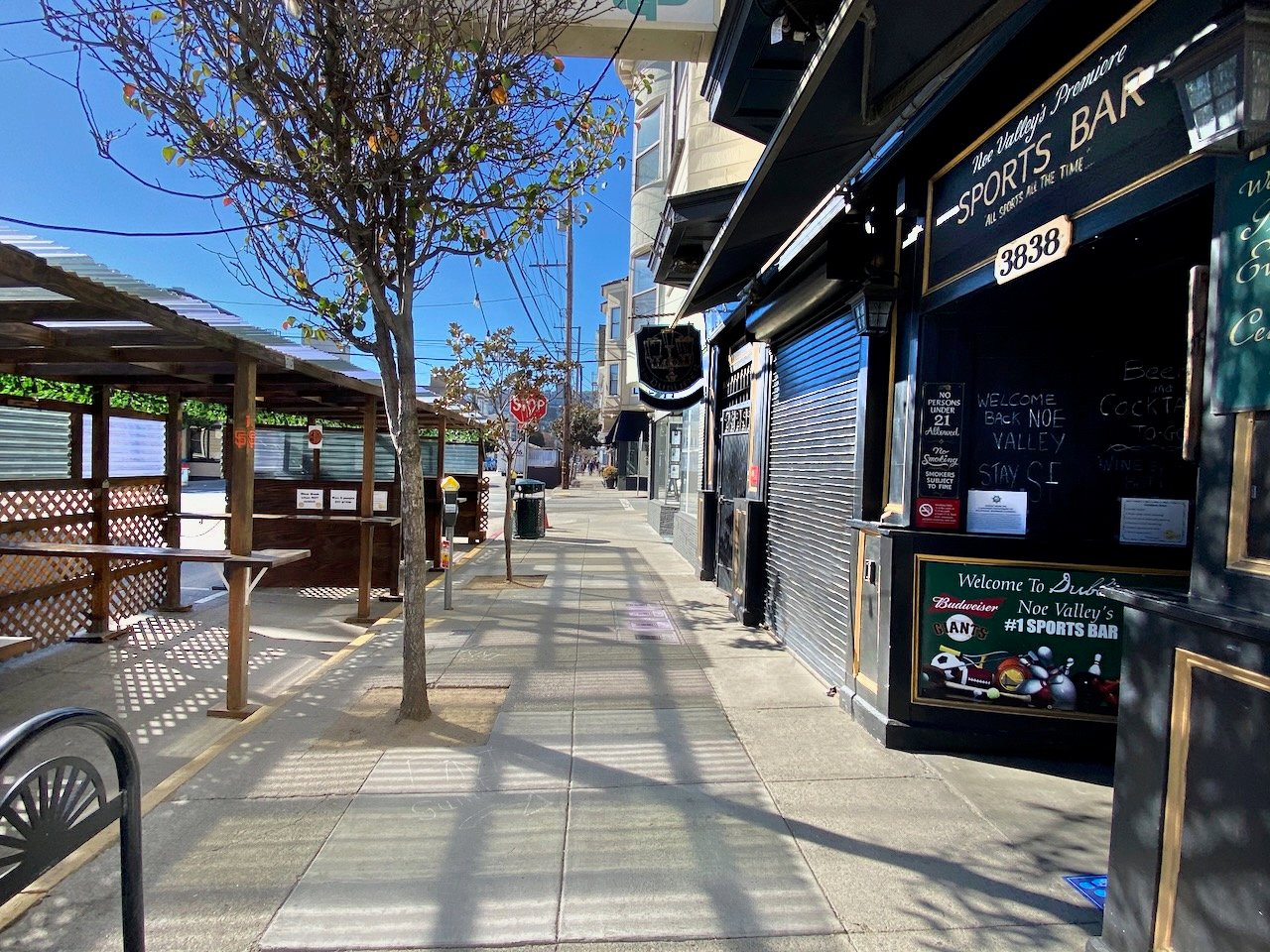
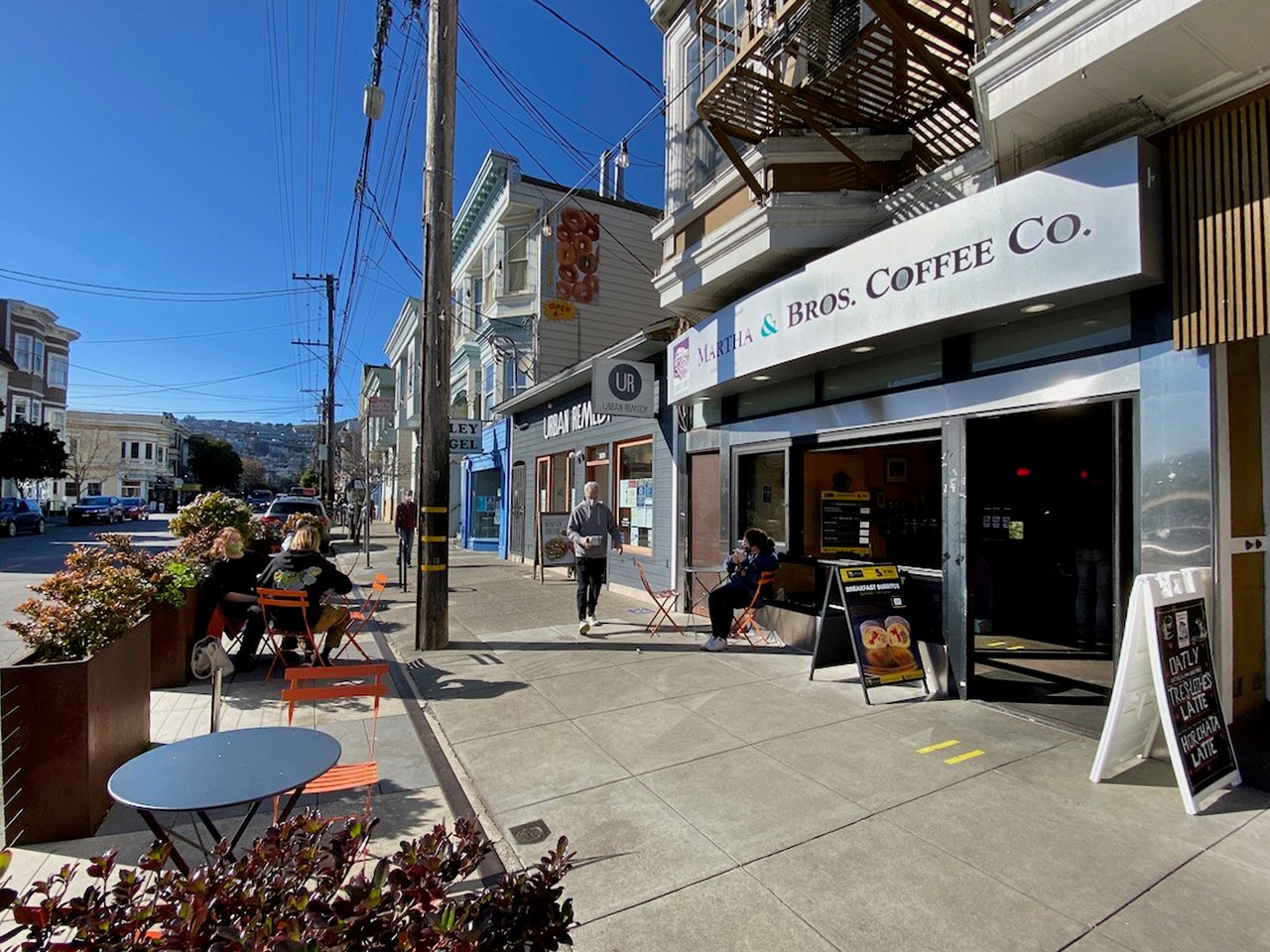
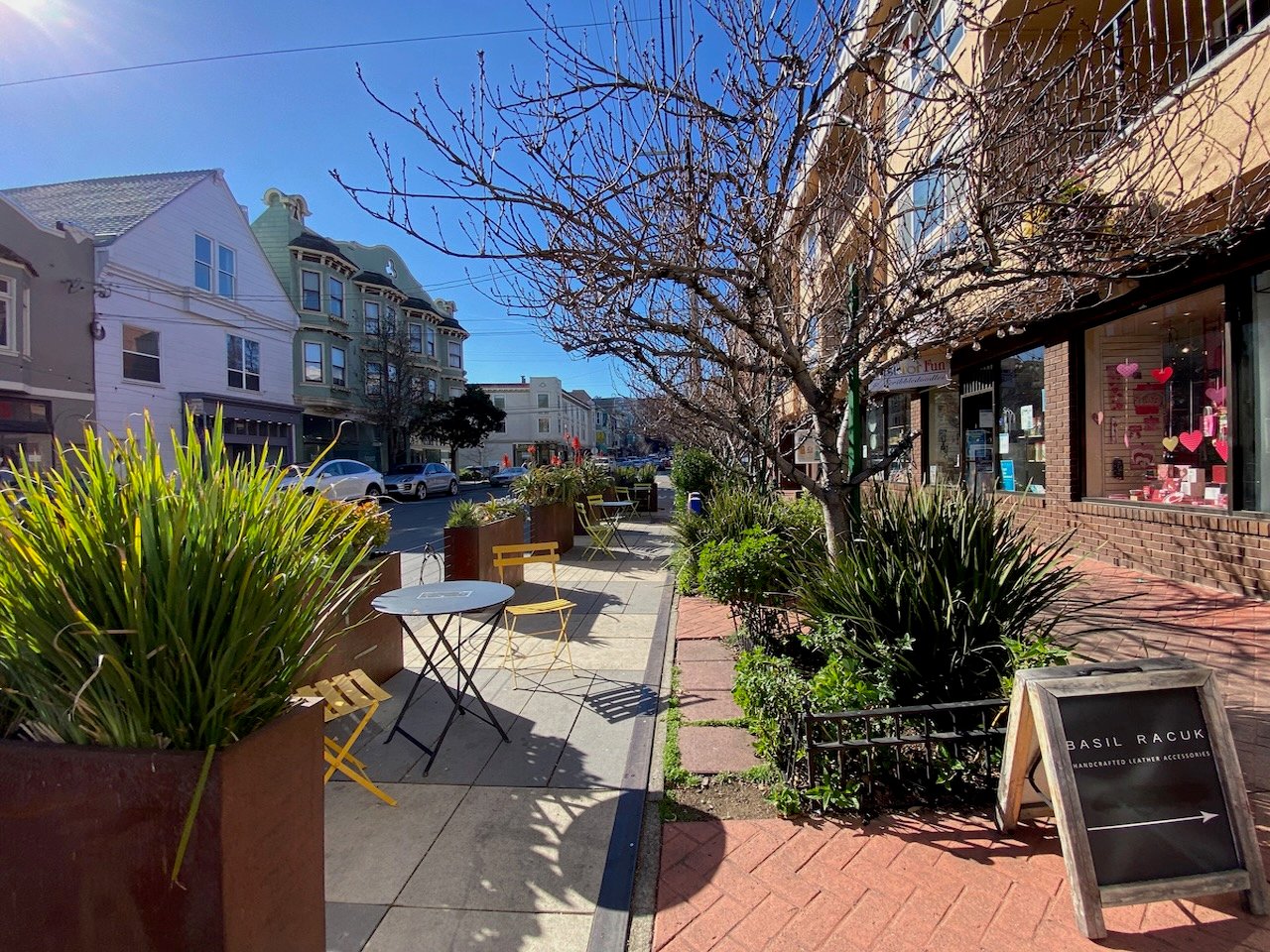
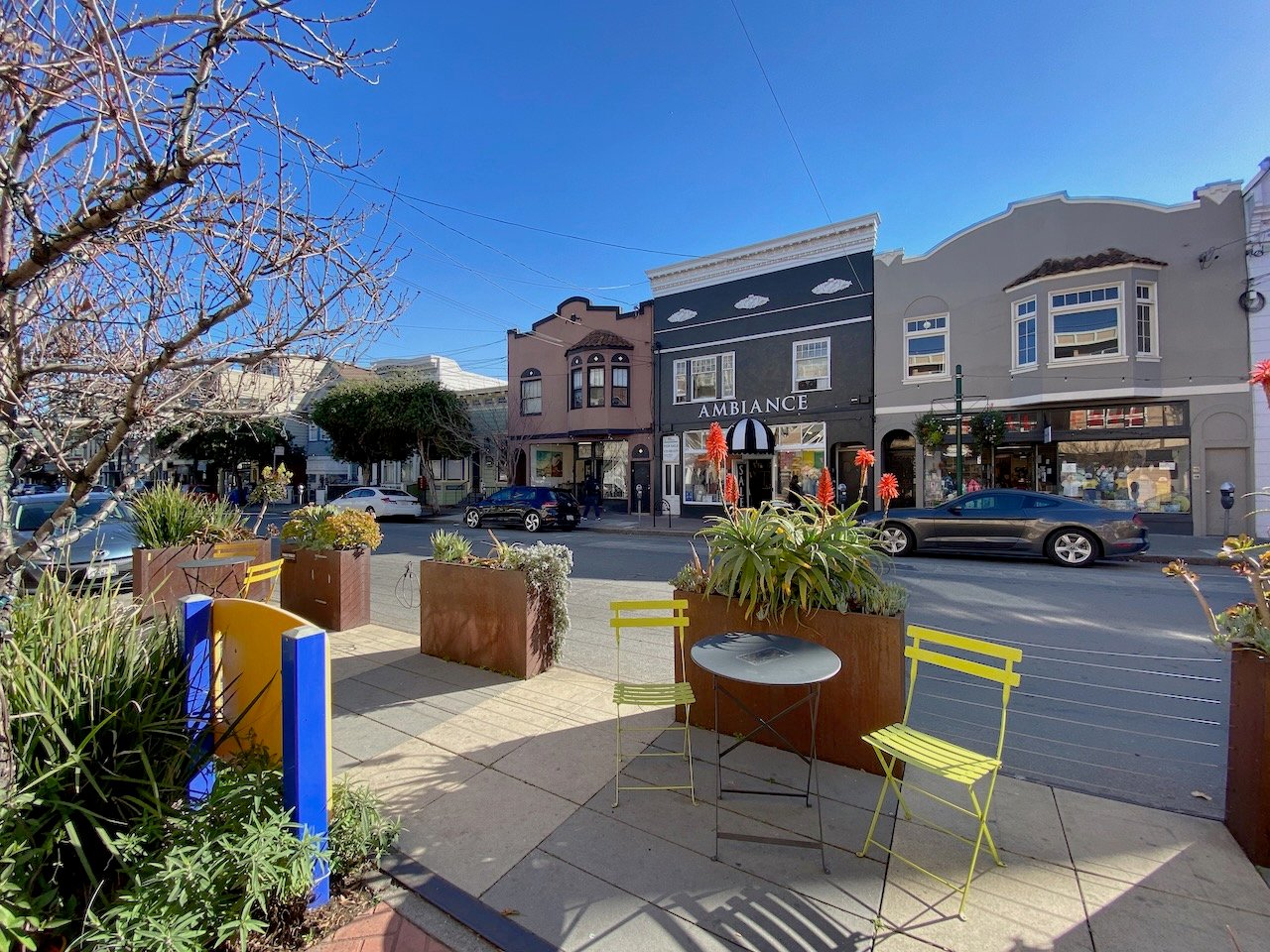
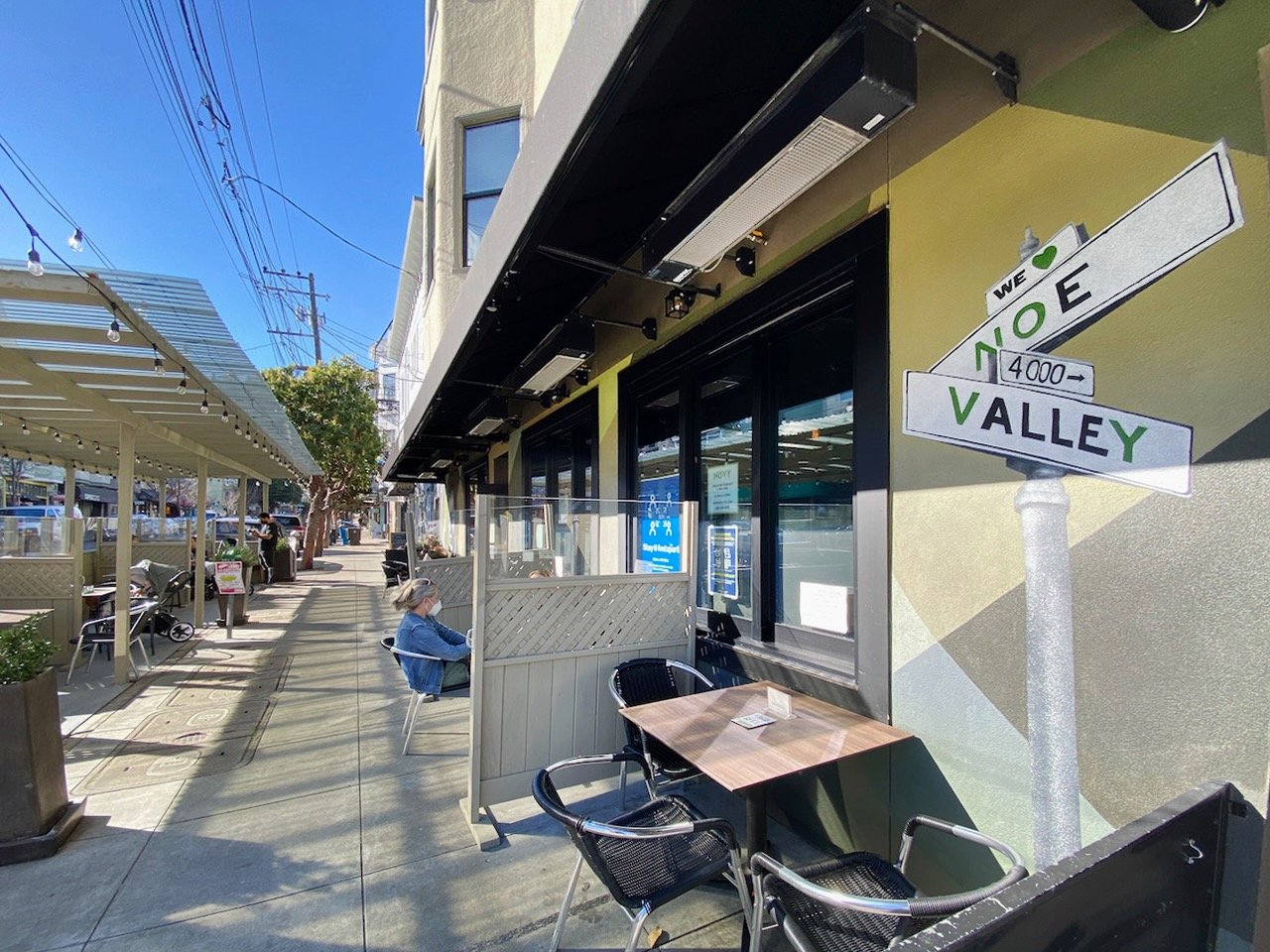
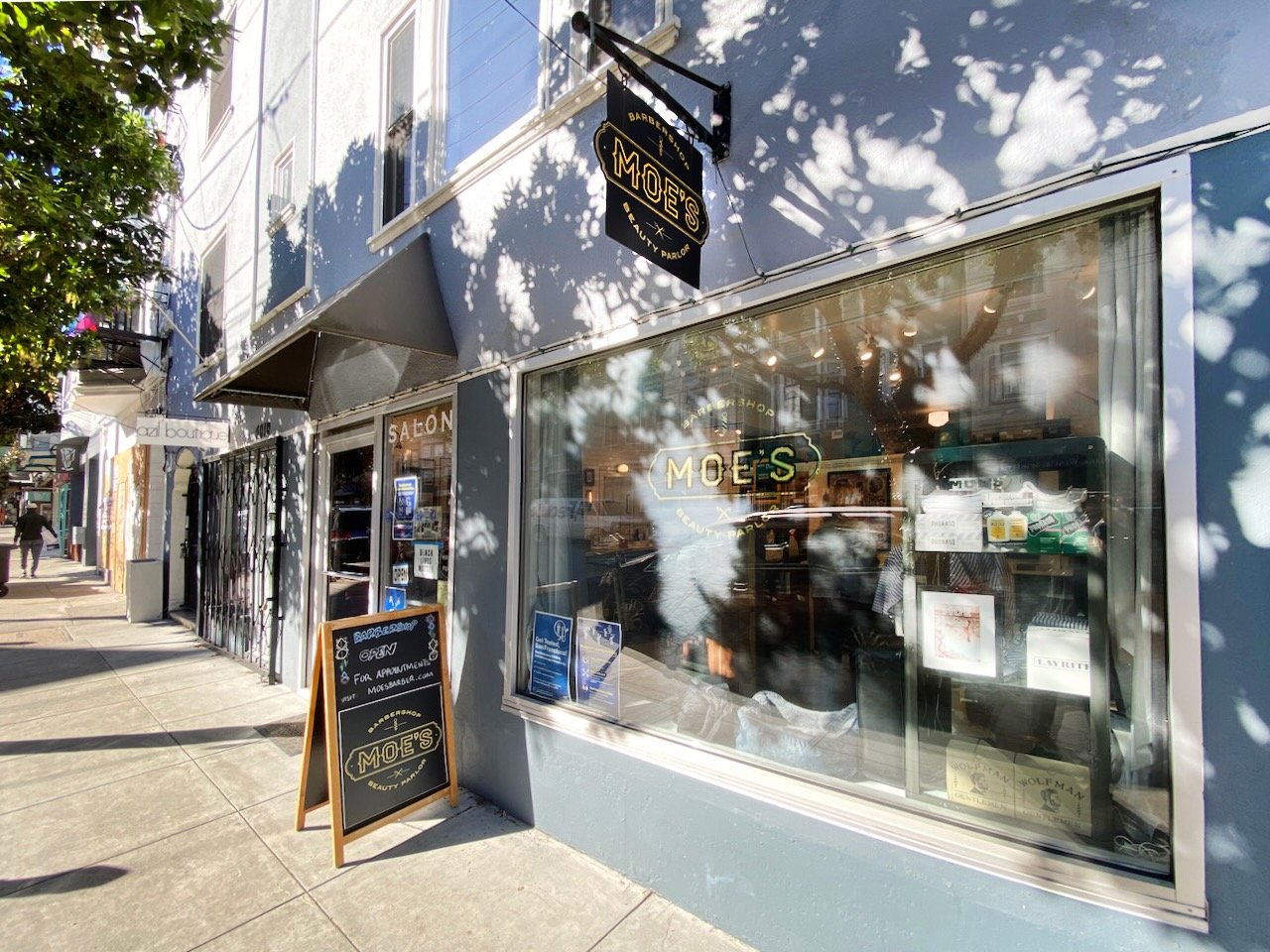
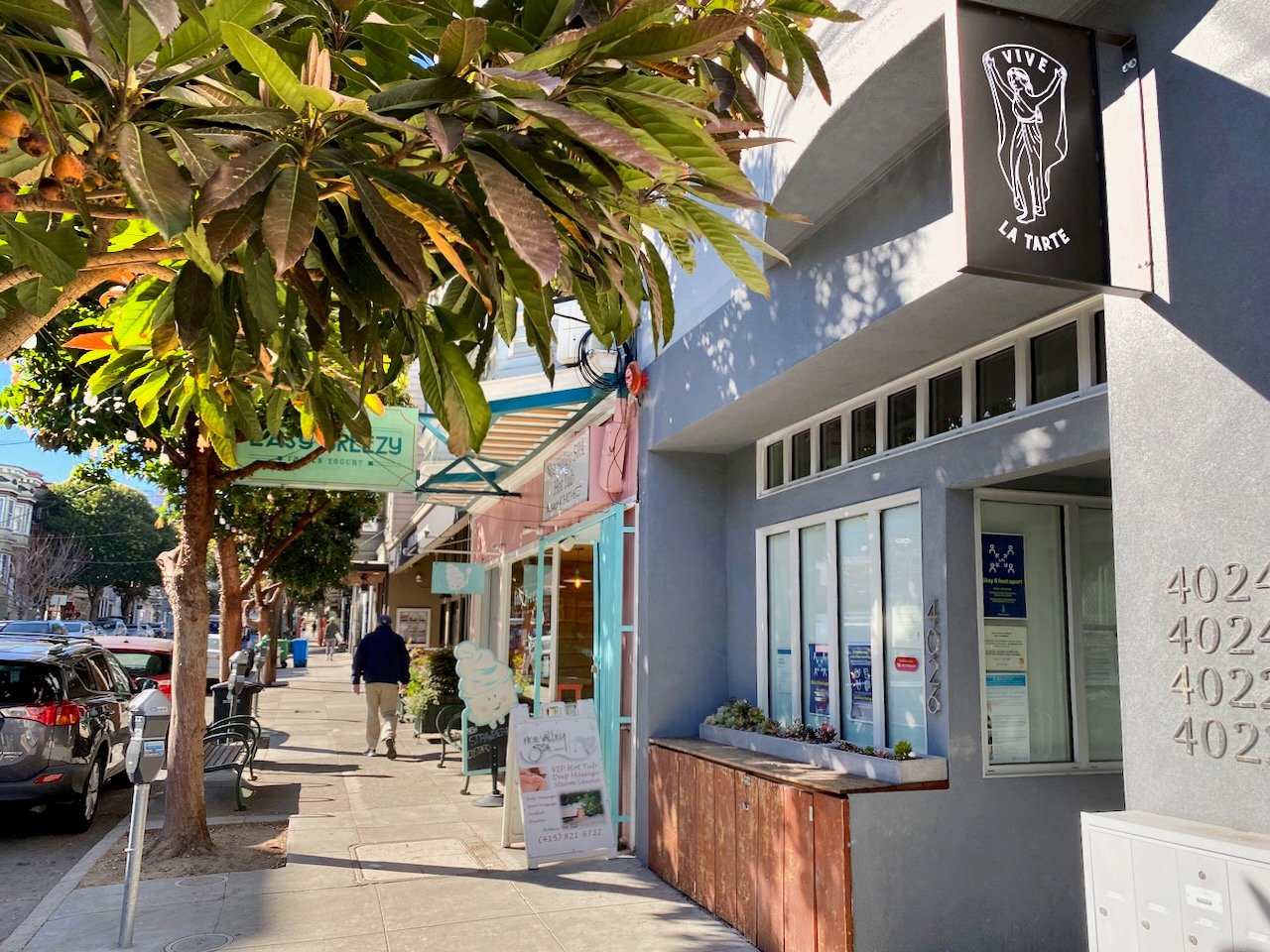
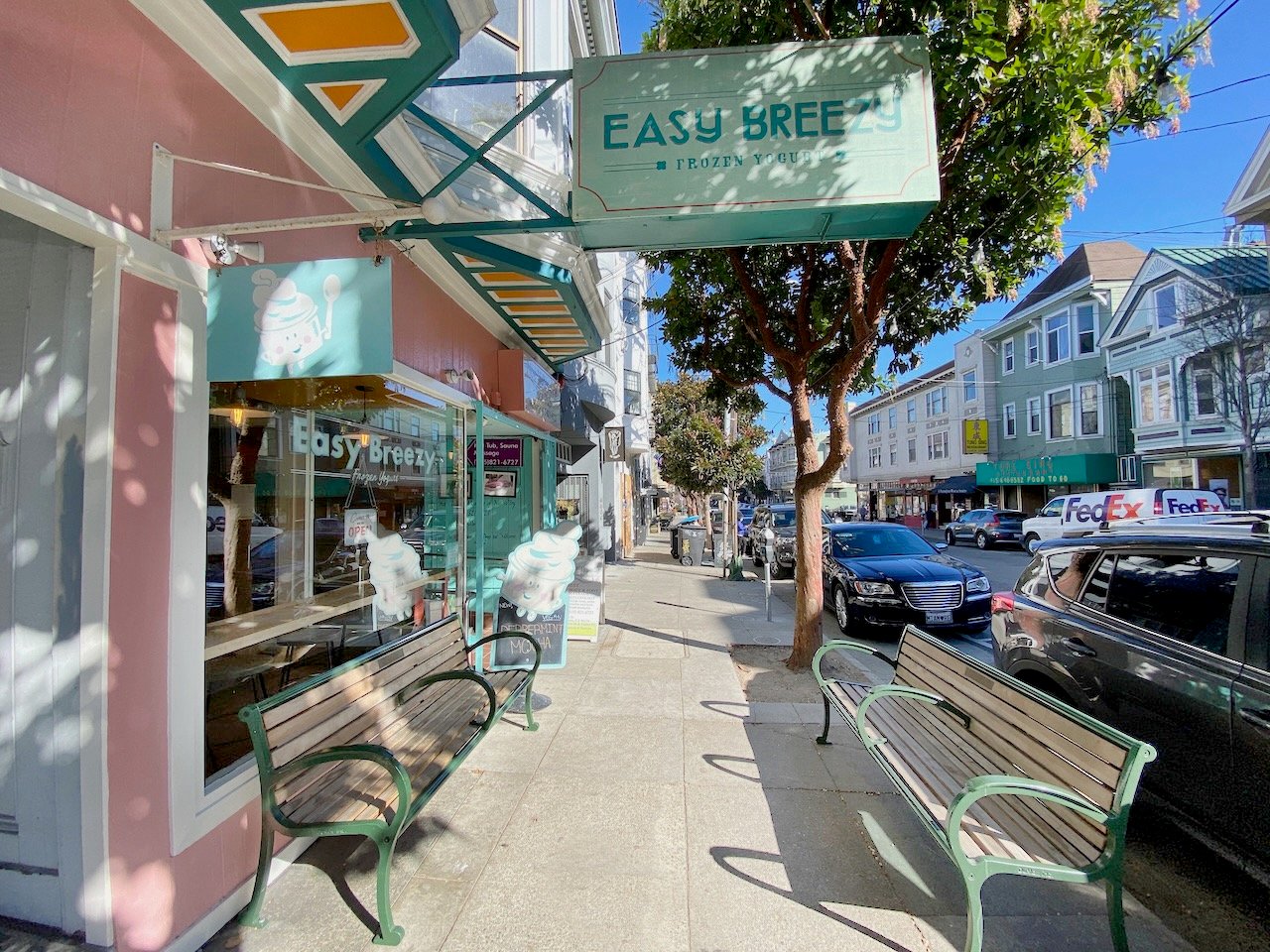
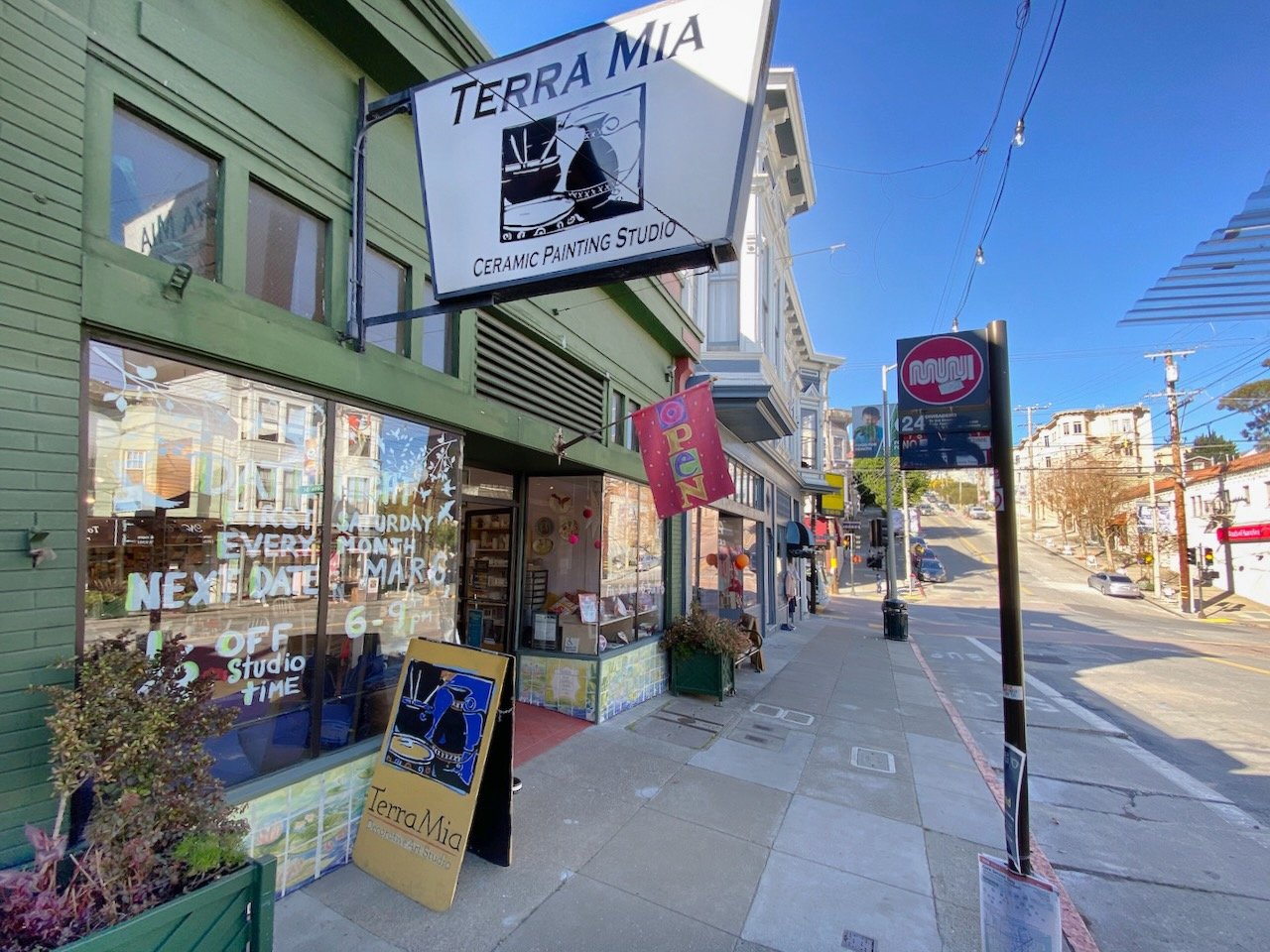
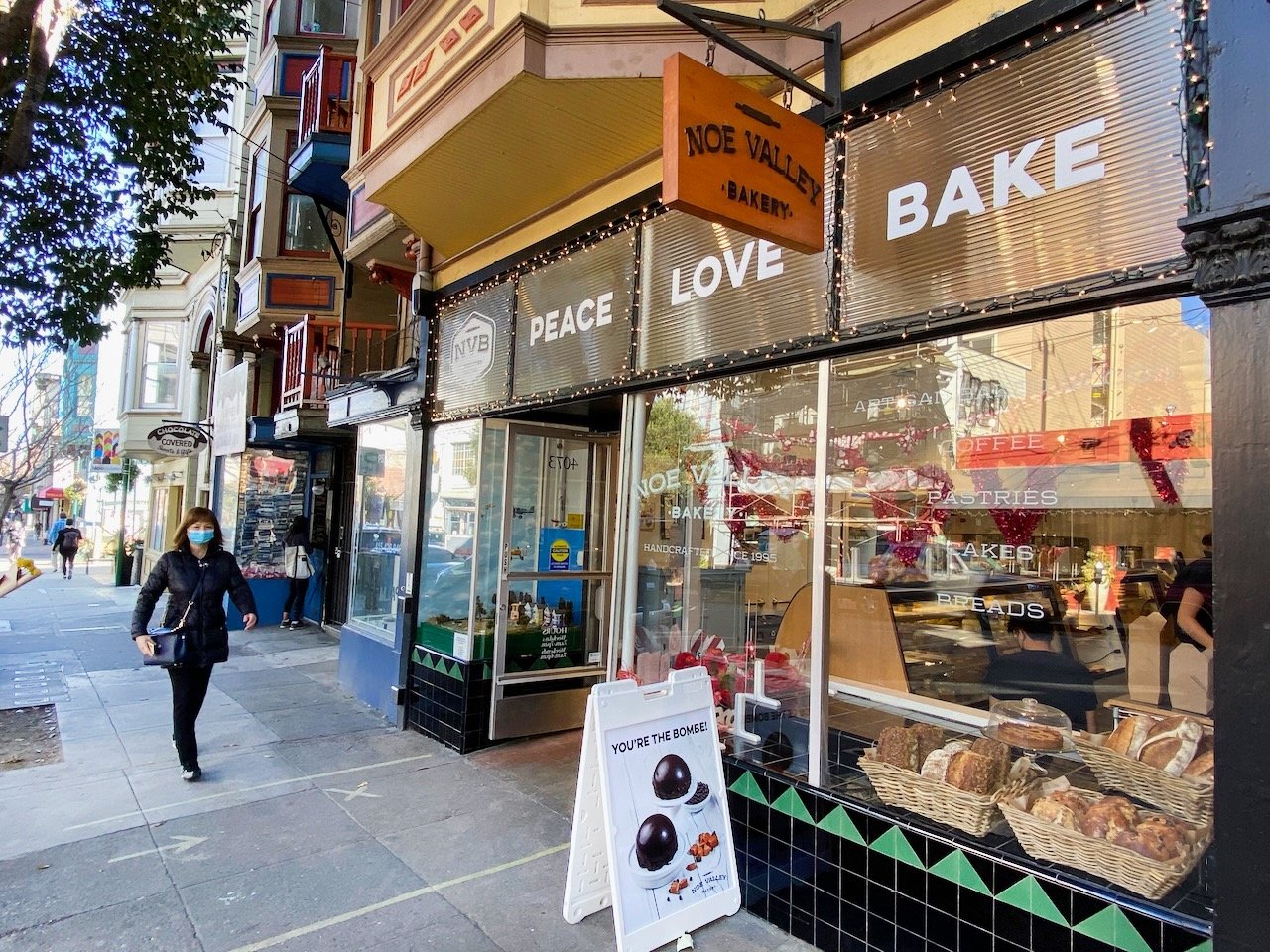
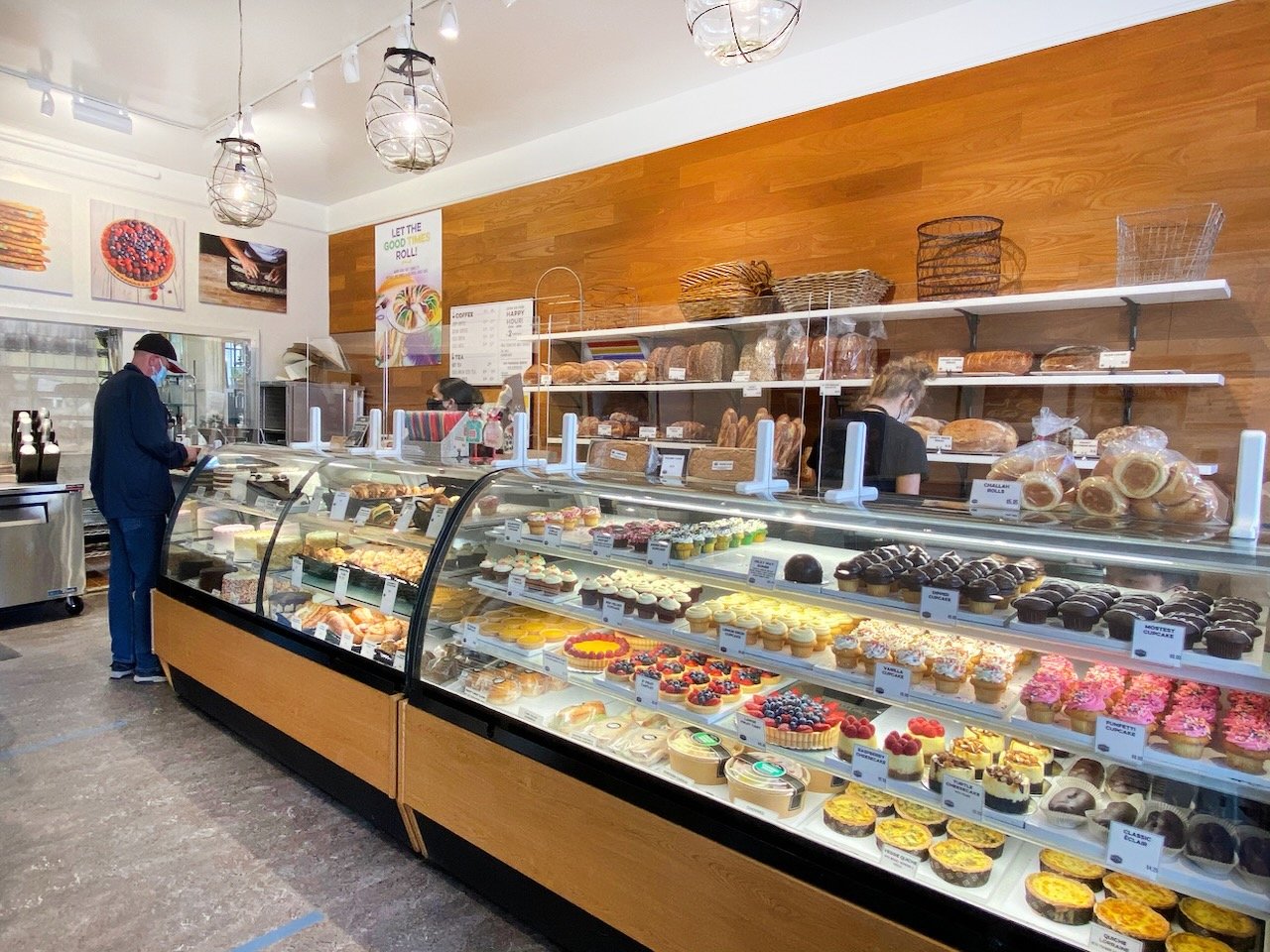
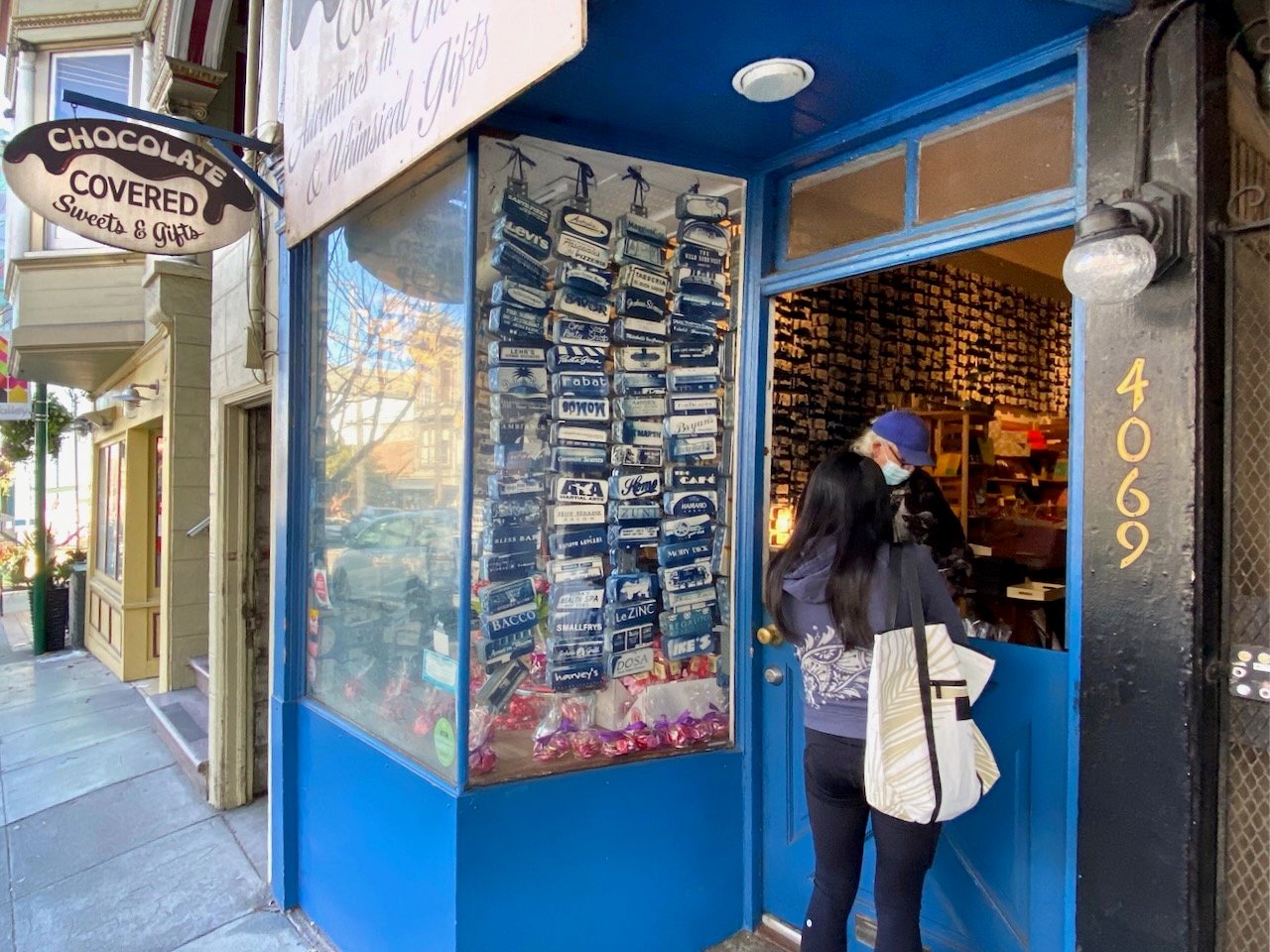
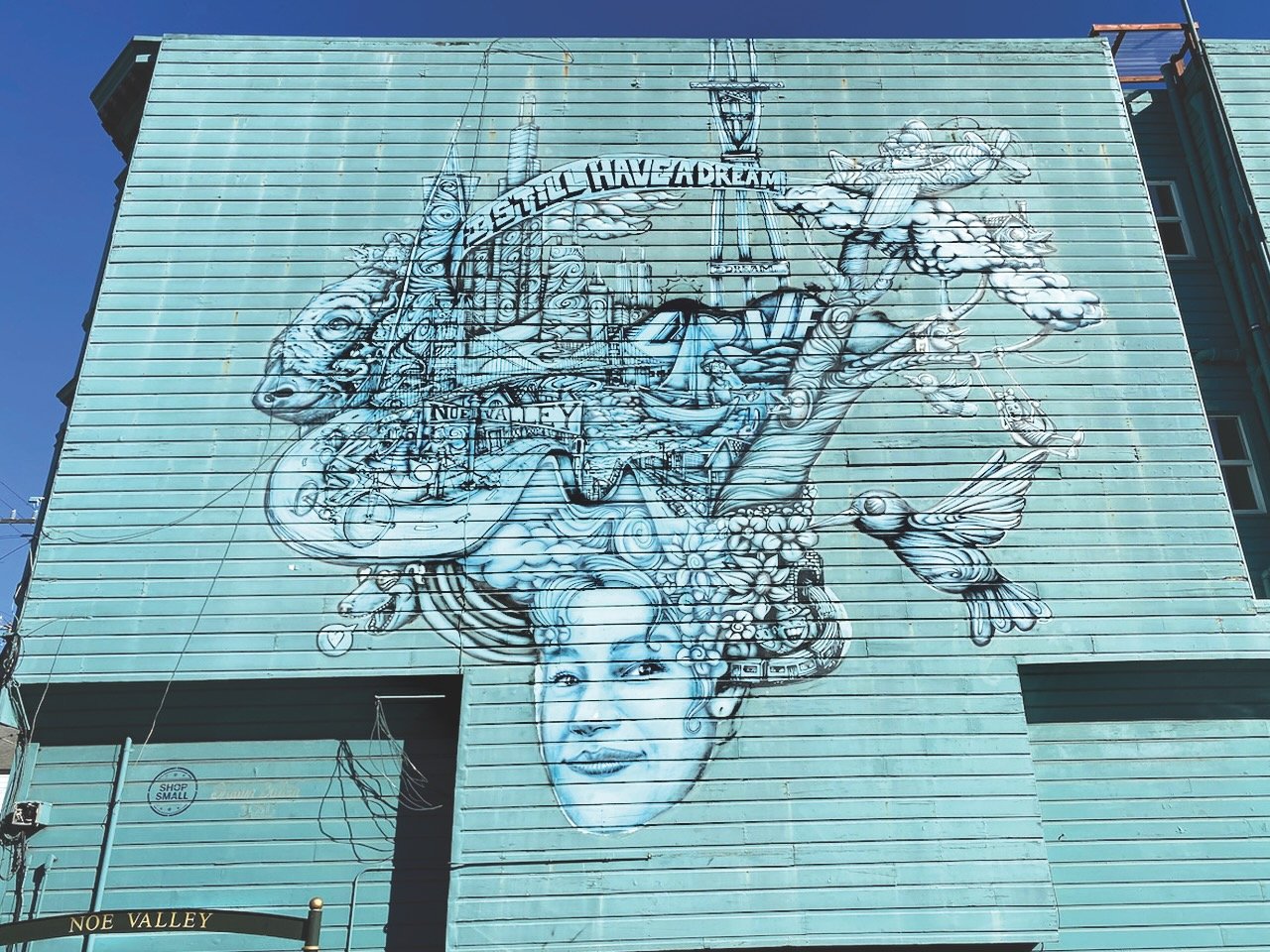
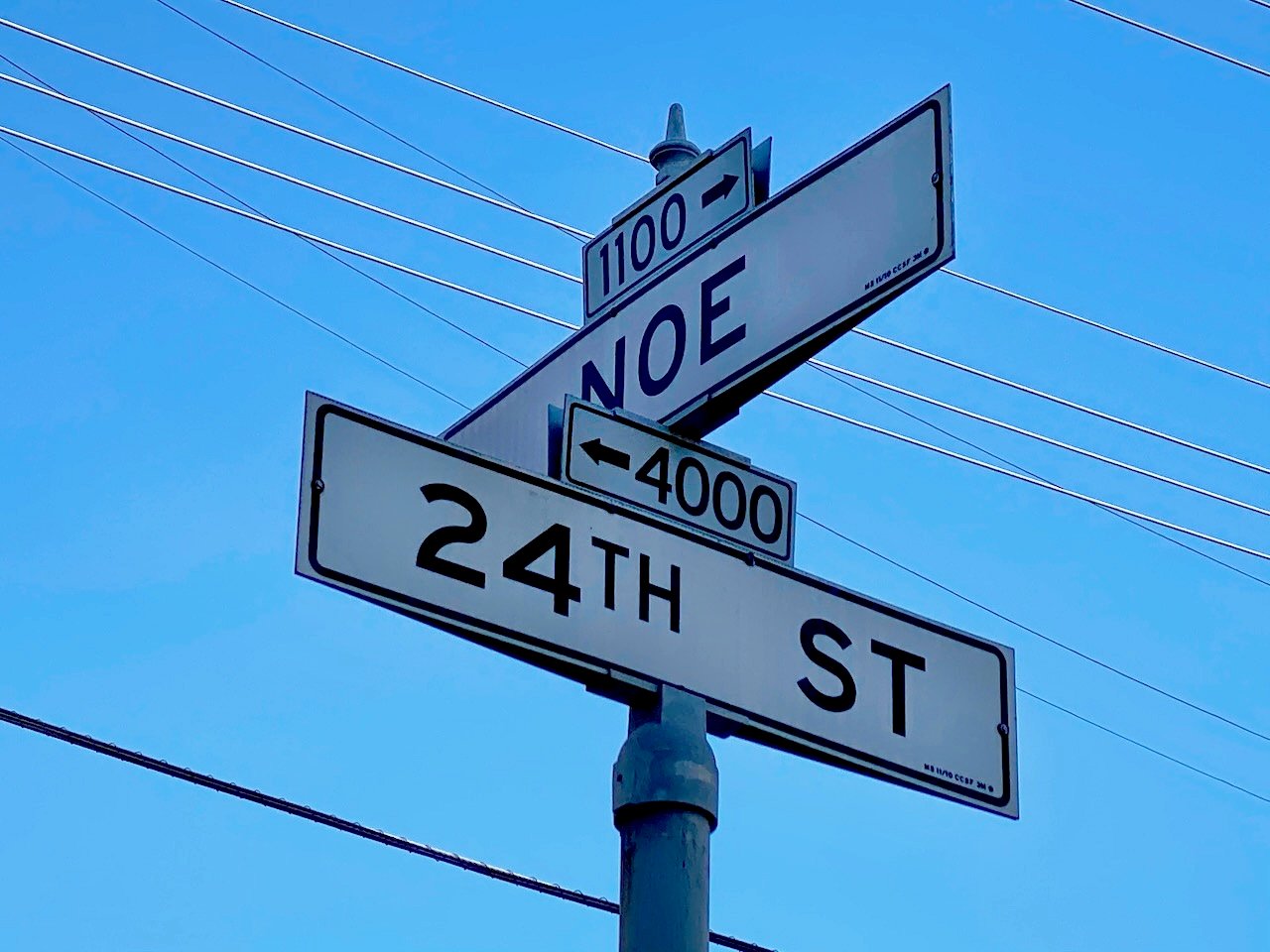
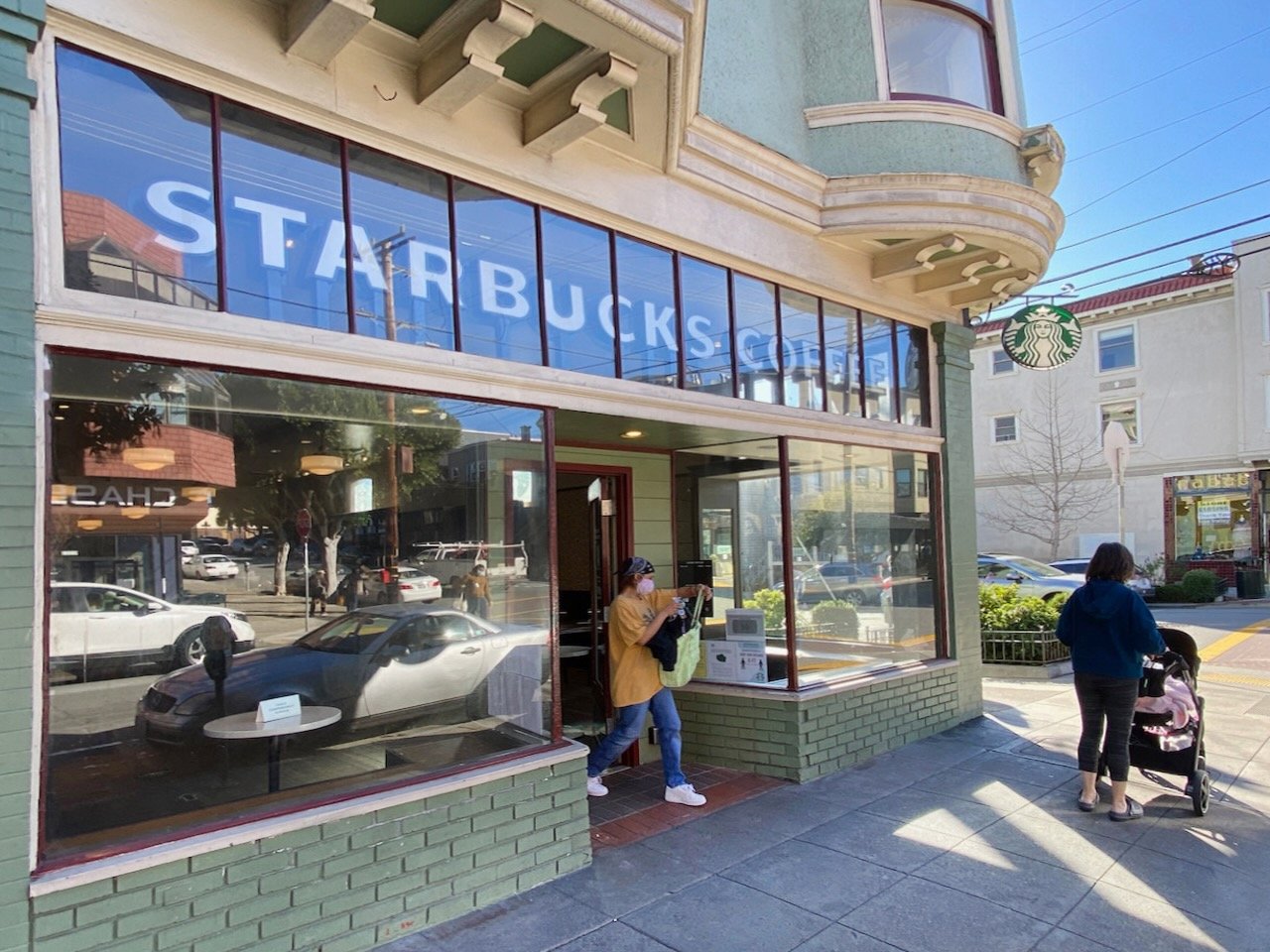
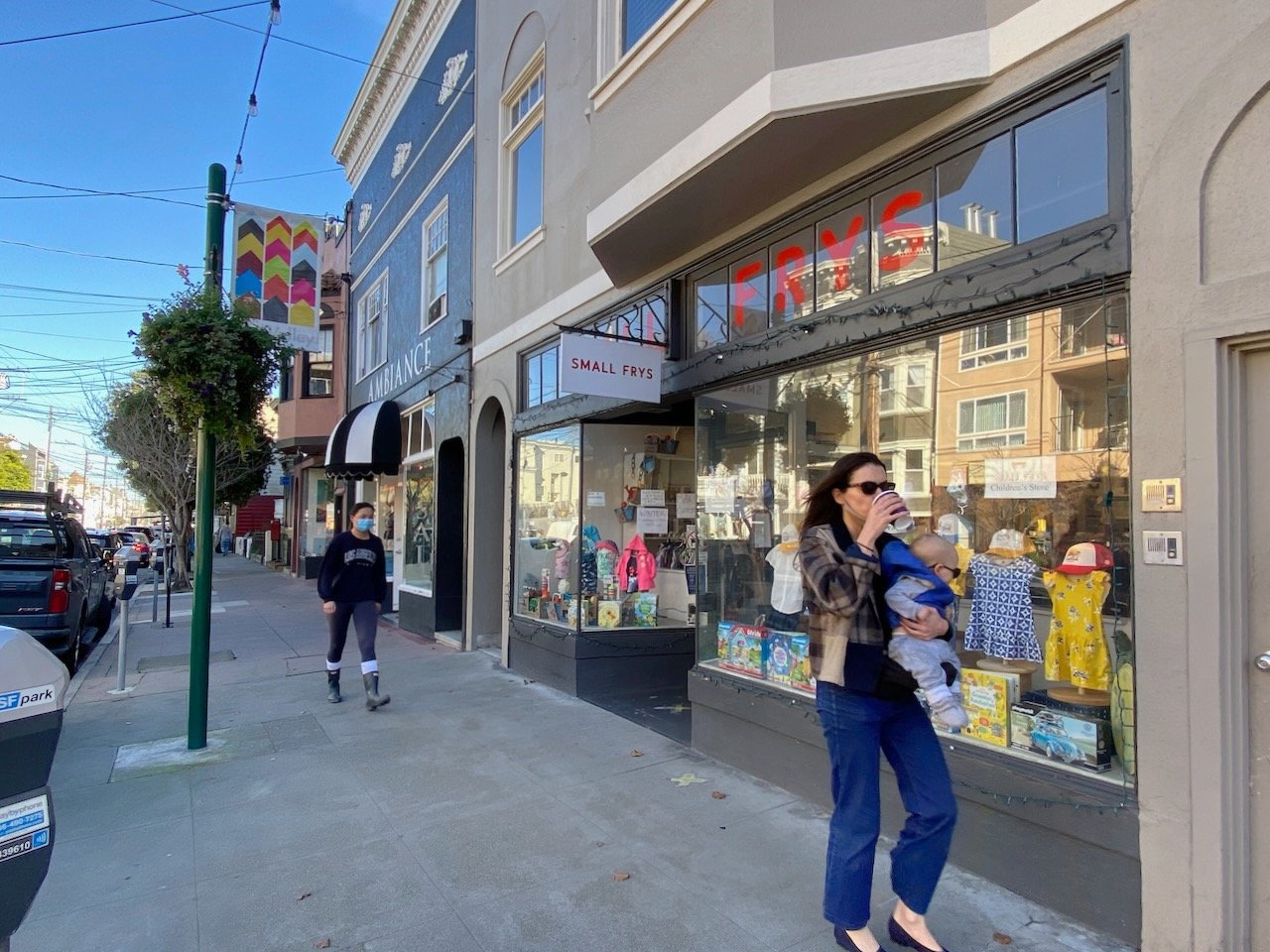
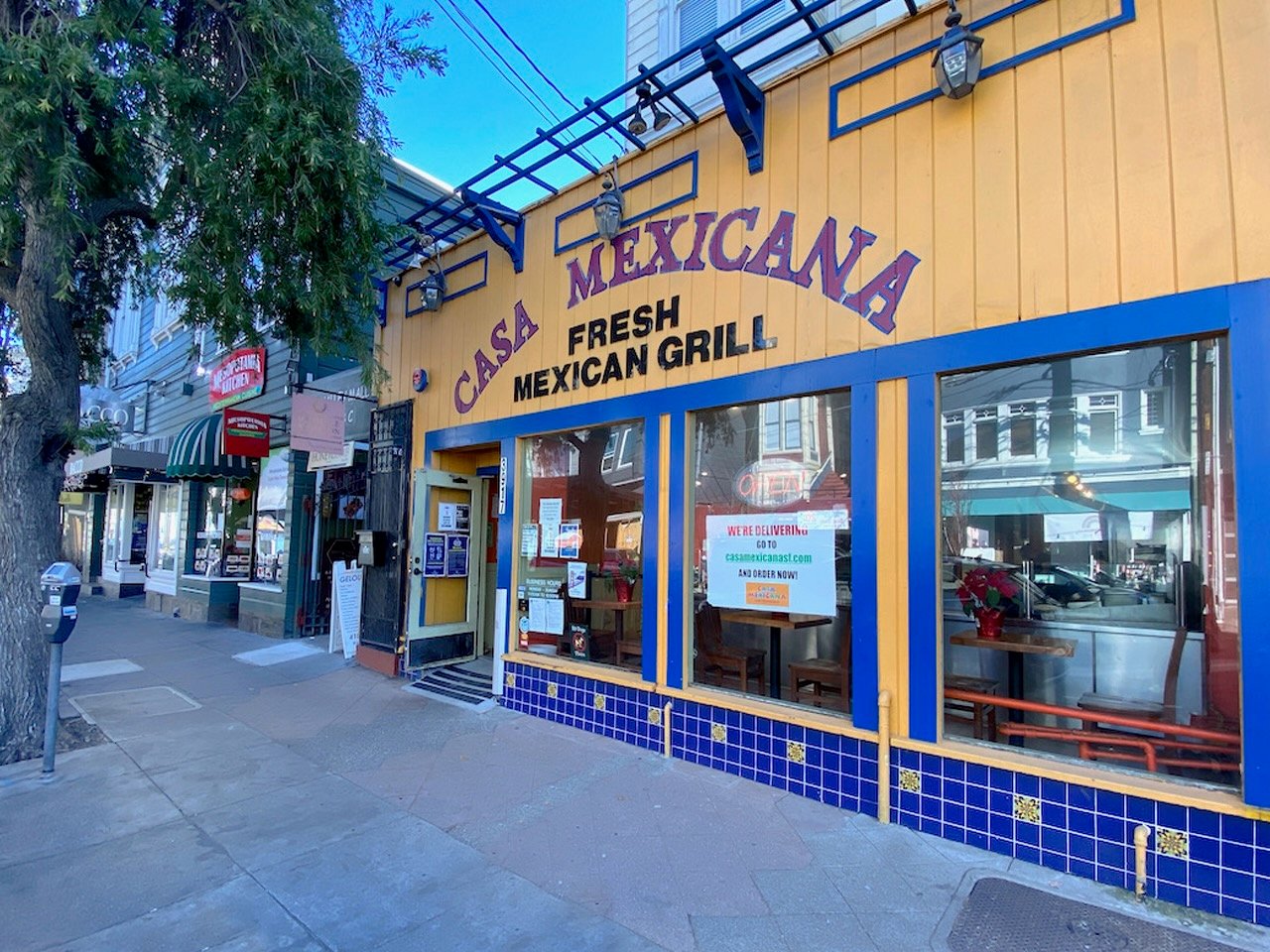
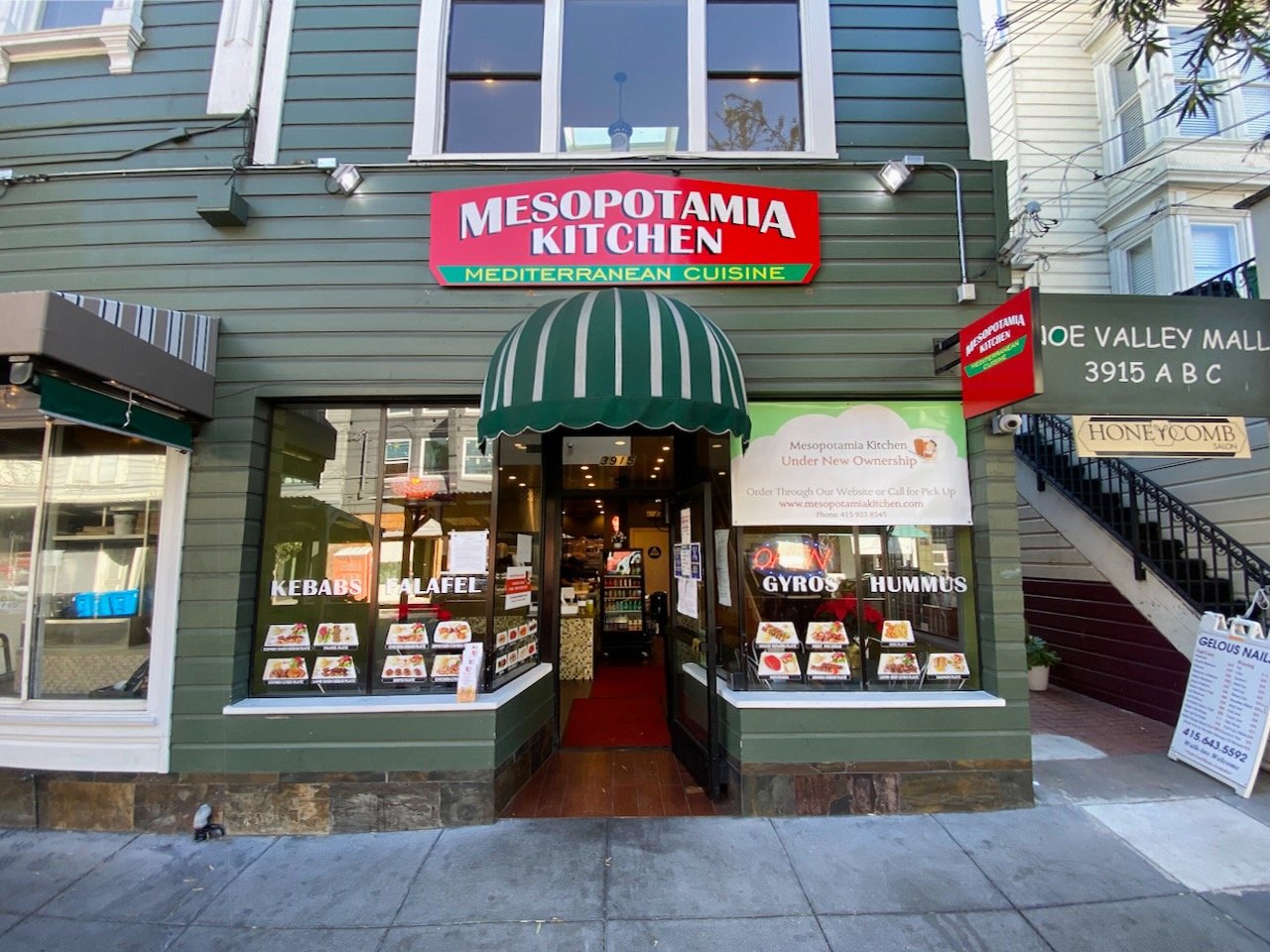
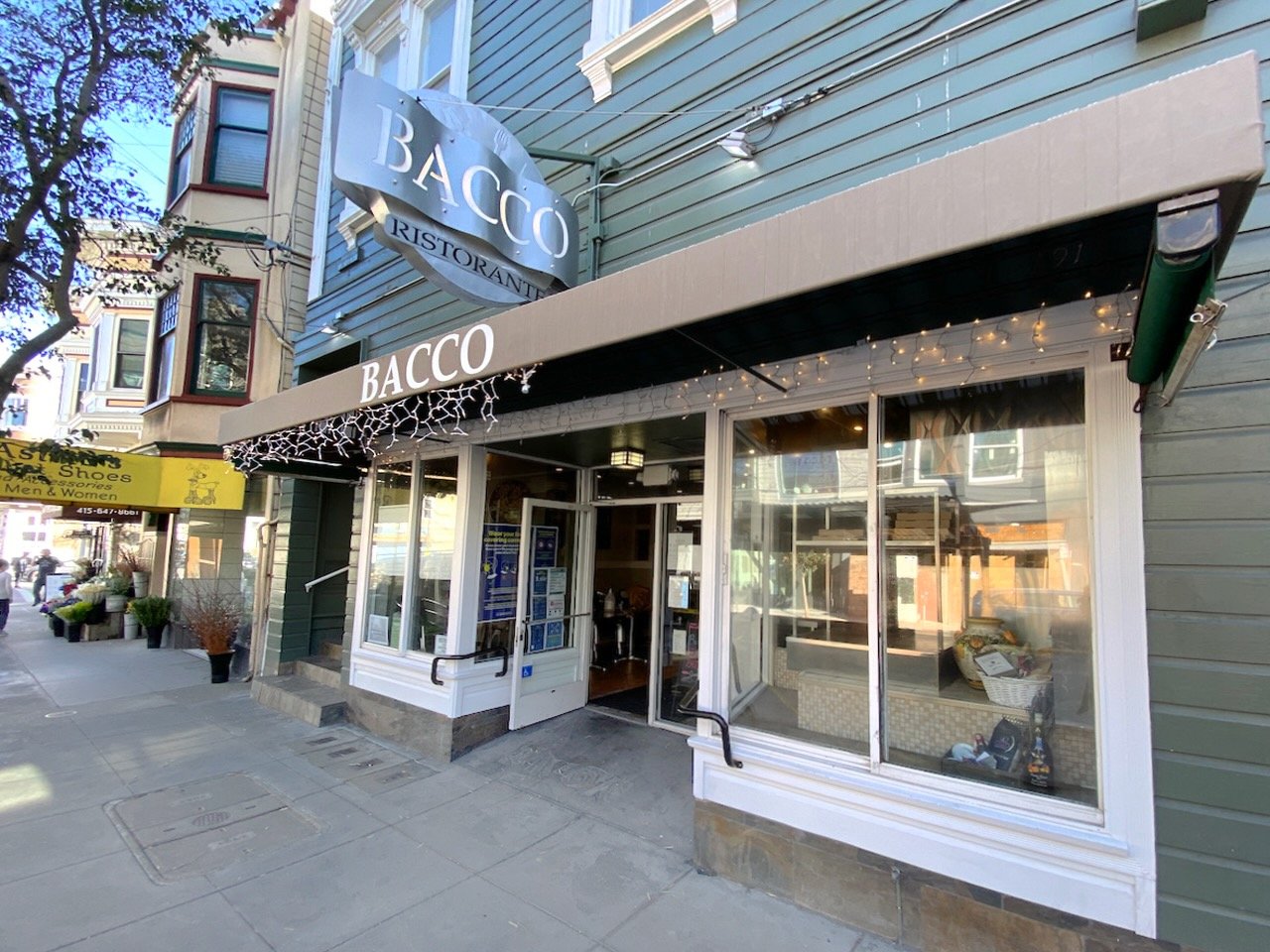
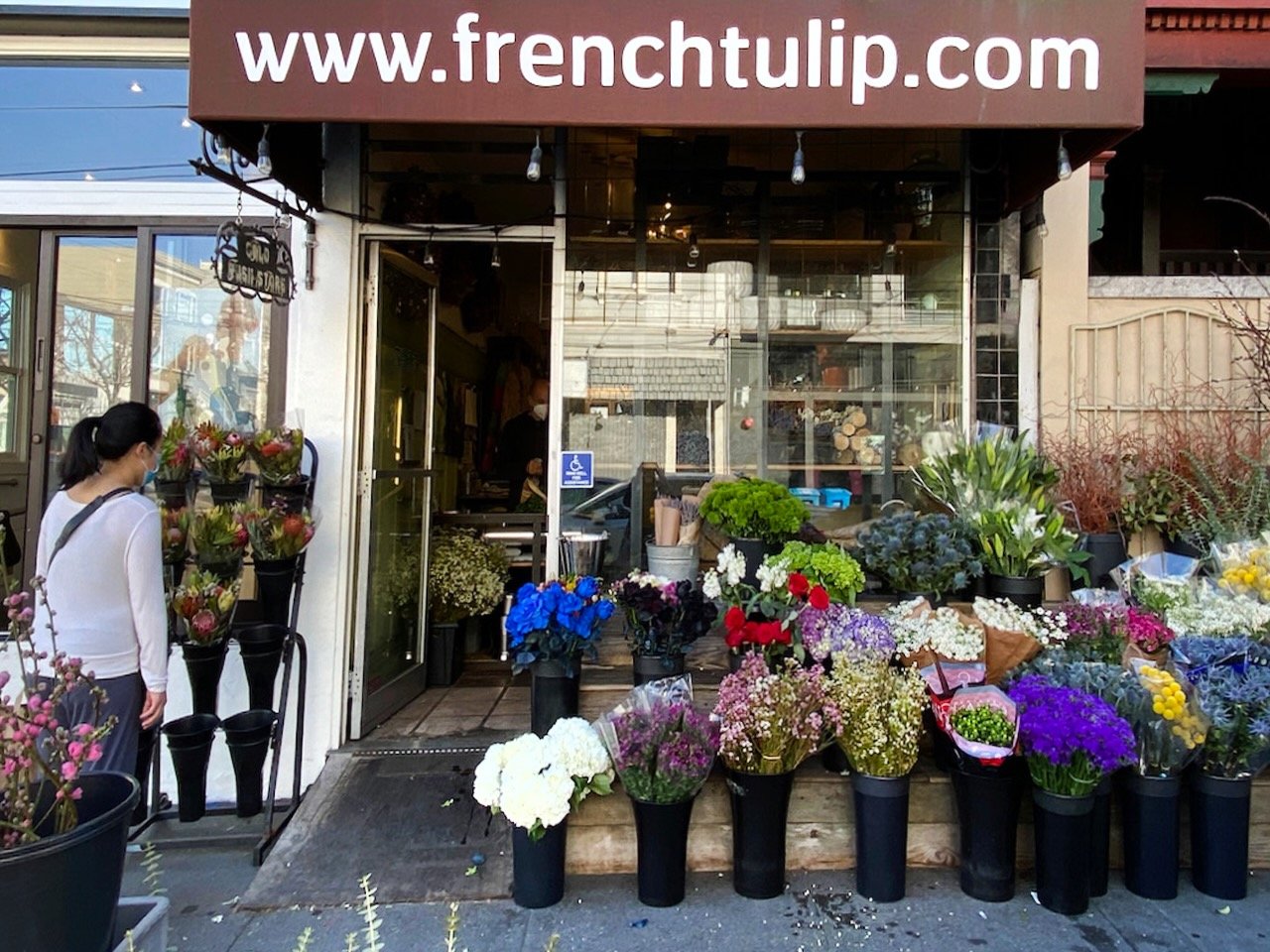
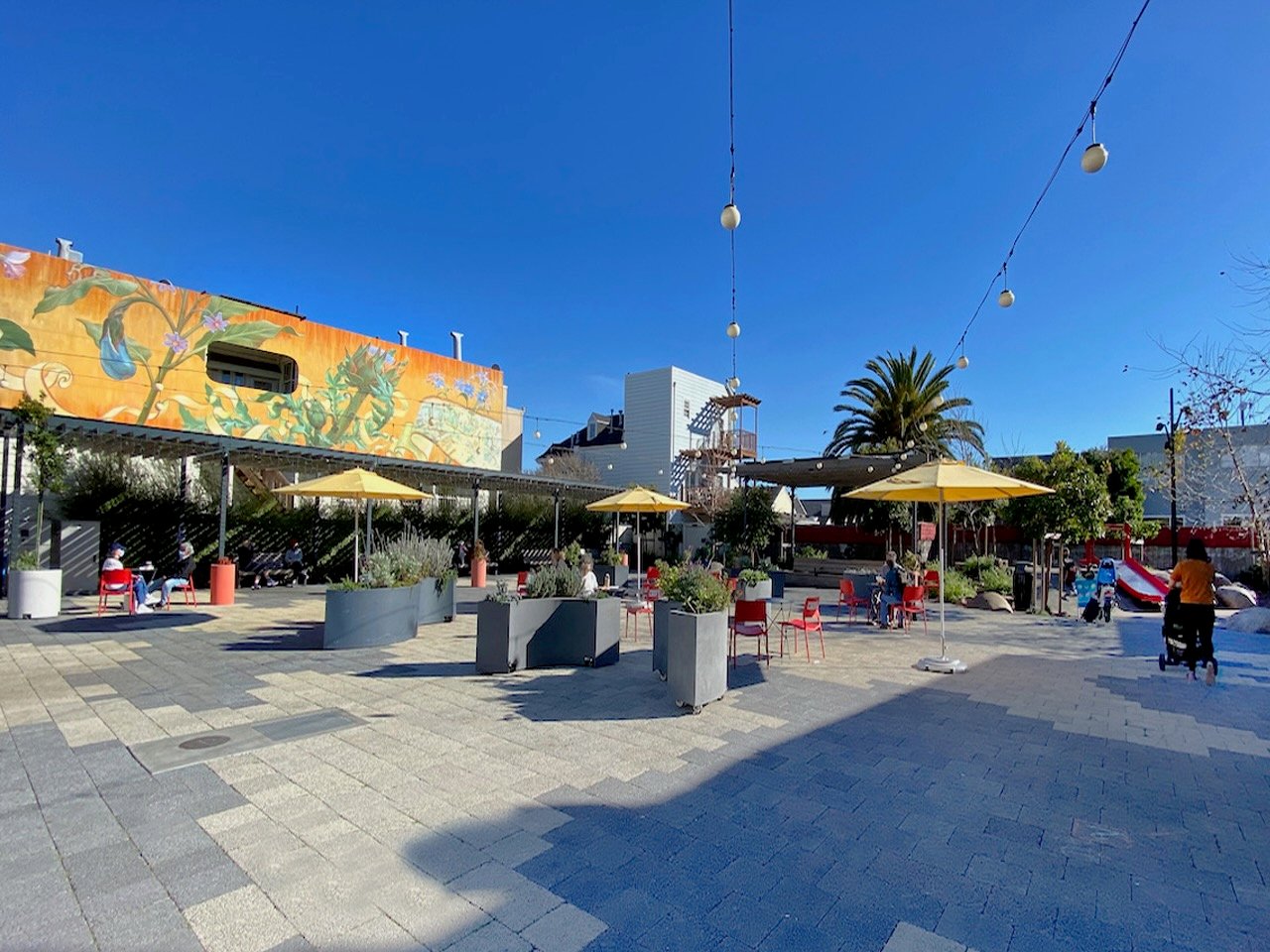
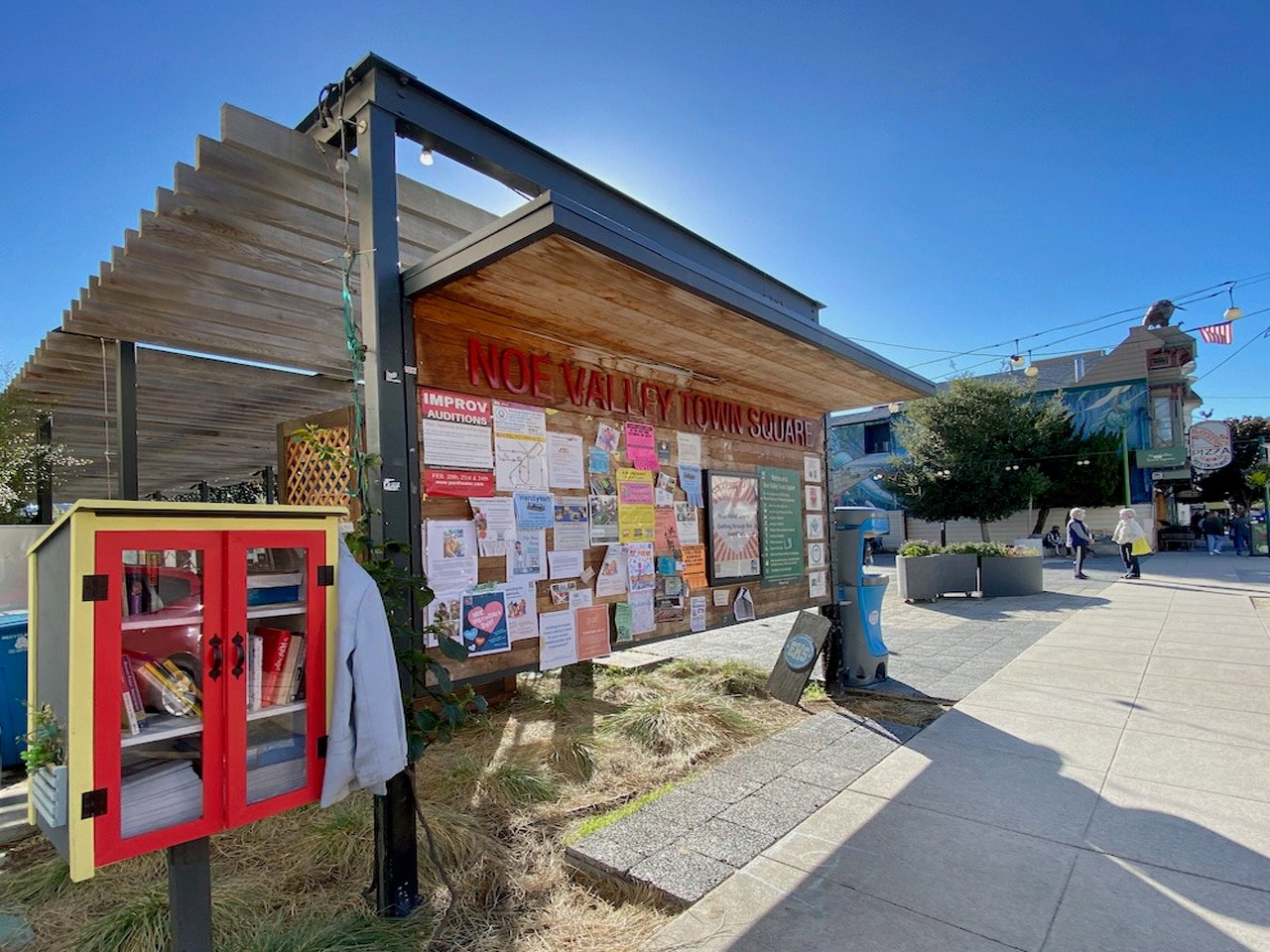
Noe Valley is the neighborhood that everyone eventually circles back to. It's sunny when the rest of the city is fogged in, the streets are wide and flat, and 24th Street is one of the most livable commercial corridors in San Francisco: Contigo for Spanish tapas, Noe Valley Bakery for pastries that justify the reputation, Philz Coffee anchoring the morning ritual, and Four Barrel — now reborn — for pour-overs. Stroller density is high, the farmers market on Sanchez is beloved, and the community has a settled, family-centric quality that is genuinely hard to manufacture.
Noe Valley is one of San Francisco's most consistently competitive neighborhoods at any price point. Homes here — Victorian singles, Edwardian flats, and newer construction — draw multiple offers and routinely sell significantly above asking. The market doesn't soften here. It just occasionally pauses.
Twin Peaks (5D)
Twin Peaks is San Francisco's most dramatic residential perch — homes here sit on the city's iconic twin summits with 360-degree views that extend from the Bay to the ocean, from Marin to the Peninsula. The neighborhood is predominantly single-family, with homes that trade the walkability of the flatlands for panoramic views and a sense of elevation — literal and figurative — that buyers find genuinely hard to leave behind. Twin Peaks Boulevard winds through the neighborhood and connects to the broader park system. The Castro and Noe Valley are just downhill.
Twin Peaks commands a view premium that holds firm across market cycles. Inventory is limited by geography, and demand from buyers who prioritize views and privacy is consistent.
Cole Valley (5E)
Cole Valley is a small, refined neighborhood tucked between the Haight and Inner Sunset, anchored by the intersection of Cole and Carl Streets. It has the feel of a European village — independent bookshops, a hardware store that's been there for decades, neighborhood restaurants where the staff knows regulars by order. The N-Judah Muni Metro runs directly through on Carl Street, delivering downtown access in approximately 15 minutes. UCSF's Parnassus campus is adjacent, bringing a medical and academic community that contributes to the neighborhood's intellectual character. Homes are compact and architecturally varied — Edwardians, Victorians, and occasional mid-century.
Cole Valley is one of the city's most sought-after small neighborhoods. Inventory is rare by design — it's simply a small area with devoted long-term owners — and competition for homes is reliably strong.
Buena Vista / Ashbury Heights (5F)
Buena Vista and Ashbury Heights sit on the hillside south of the Haight, offering Victorian and Edwardian homes with elevated positioning, partial views, and immediate access to Buena Vista Park — the city's oldest park, with dense woodland trails and one of the best quiet escapes in San Francisco. The neighborhood benefits from its position between the Haight's commercial energy and the quieter residential character of Corona Heights. Homes here tend to be larger than the flatlands below, with the hillside providing natural separation from street-level noise.
Corona Heights (5G)
Corona Heights sits above the Castro, defined by the rocky red chert outcropping of Corona Heights Park — one of the city's great hidden outdoor spots, with 360-degree views and a playground at its base that is a neighborhood institution. The Randall Museum anchors the park's lower reaches with science and nature programming. Homes here are varied in scale and era, and the neighborhood benefits from its position between the Castro's energy and the quieter hilltop above it.
Clarendon Heights (5H)
Clarendon Heights occupies some of the highest ground between Twin Peaks and Sutro Tower, with homes that offer sweeping views and a sense of privacy that buyers from more urban neighborhoods find immediately appealing. The neighborhood is accessed via Clarendon Avenue — a winding road that creates natural separation from the street grid below — and the adjacent UCSF Mount Sutro Open Space Reserve provides trail access that most residents treat as a private amenity.
Duboce Triangle (5J)
Duboce Triangle is one of San Francisco's most quietly perfect neighborhoods. Bounded by Duboce Park to the north, the Castro to the west, and the Mission to the south, it combines the best transit access in the district — multiple Muni Metro lines converge at Church and Duboce — with a residential character that remains genuinely neighborhood-scaled. Duboce Park itself is a daily gathering point: dog owners, young families, coffee drinkers on the benches. The commercial options of the Castro and Lower Haight are walkable in every direction.
Duboce Triangle is one of District 5's most competitive sub-markets — transit access, park adjacency, and neighborhood scale combine to create consistently strong demand with limited inventory.
Eureka Valley / Dolores Heights (5K)
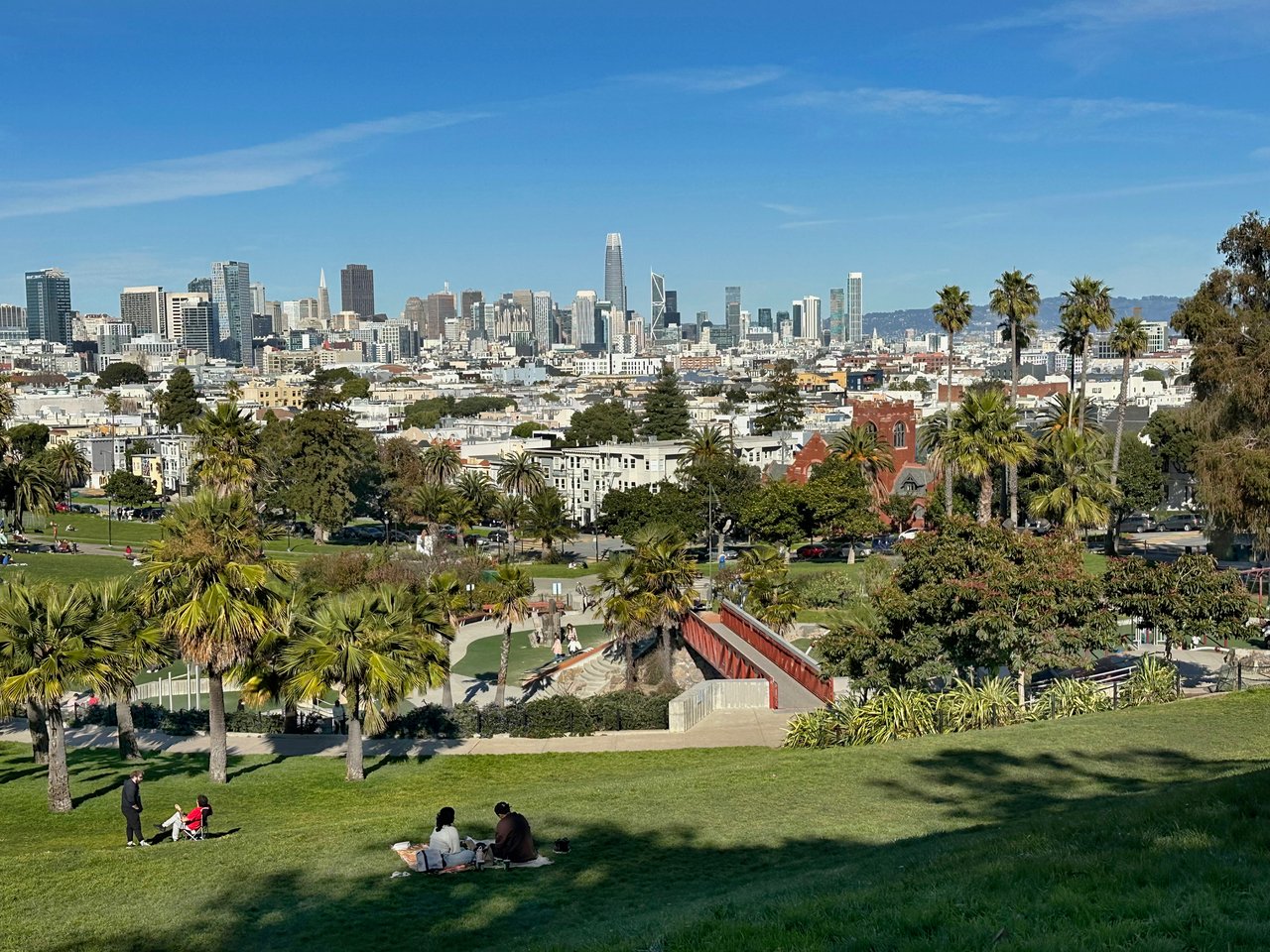
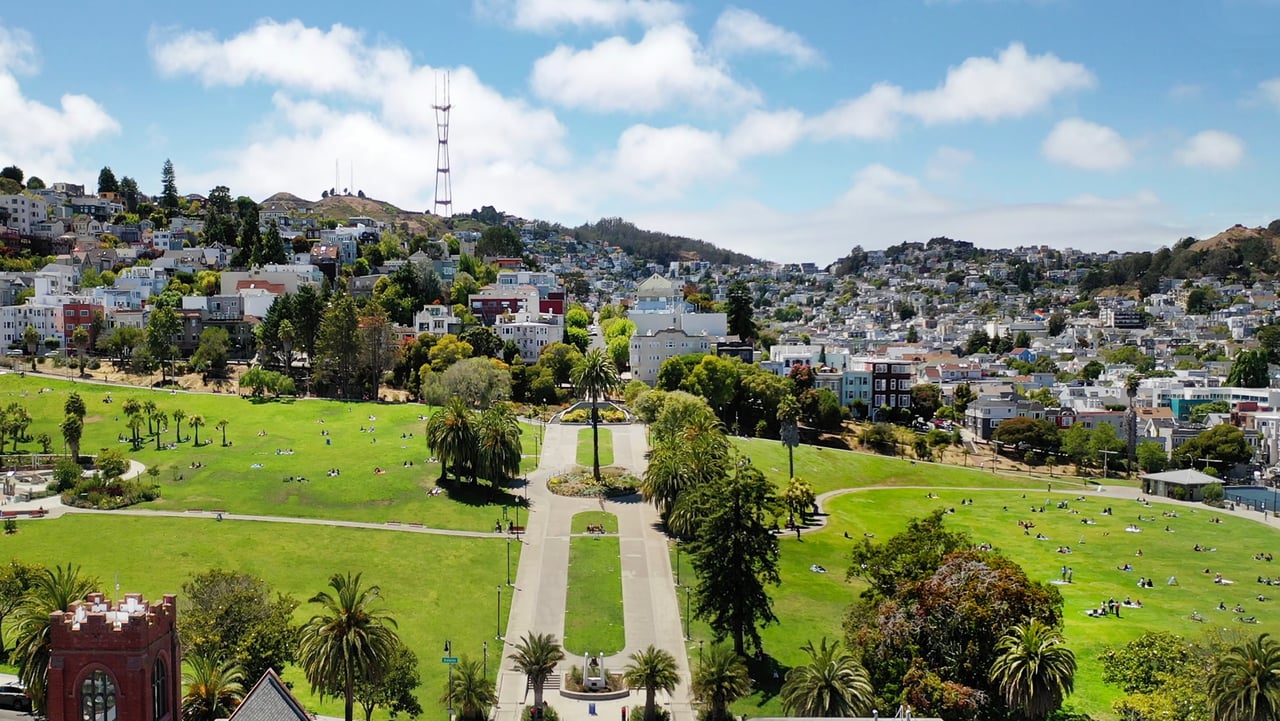
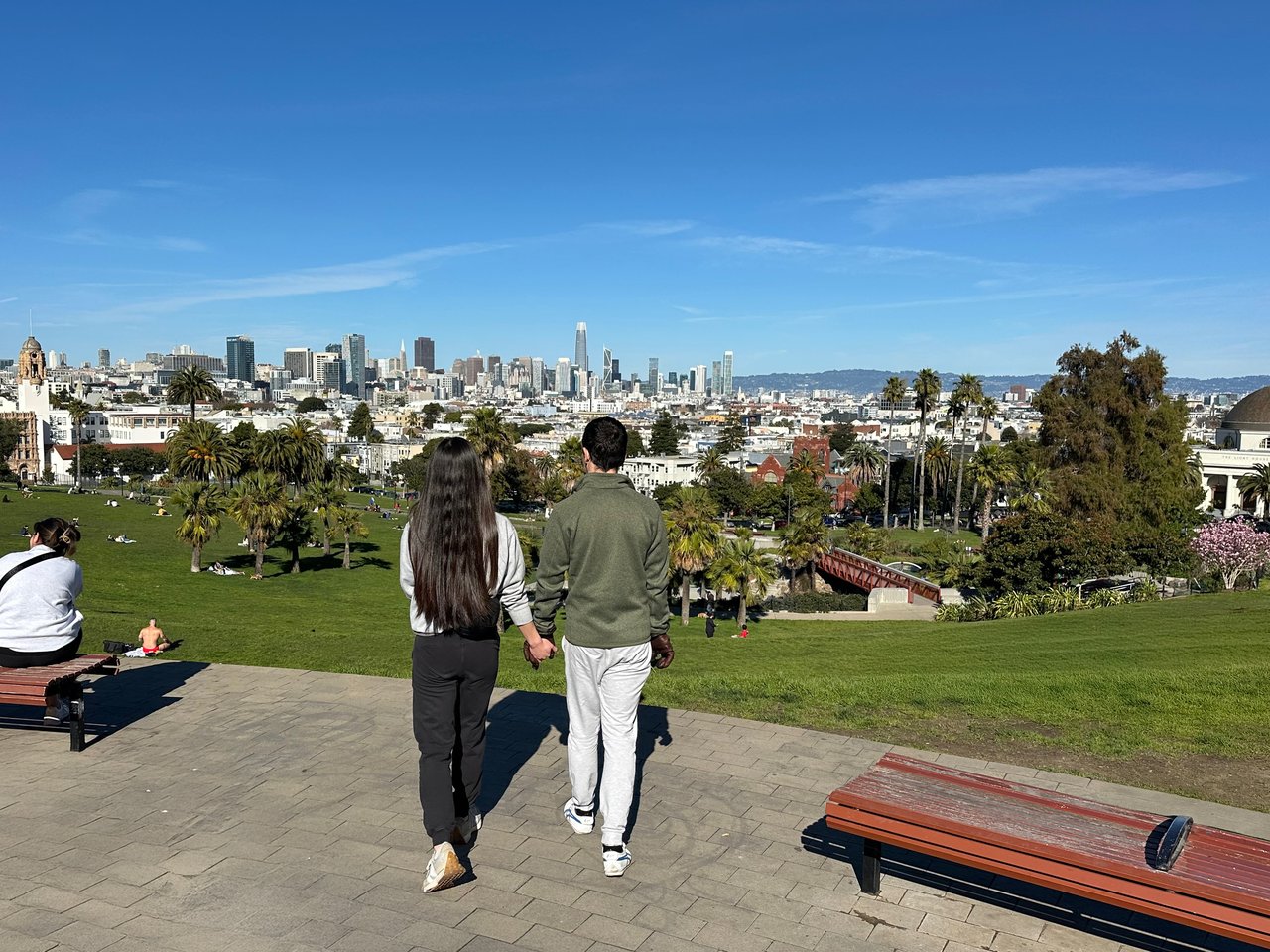
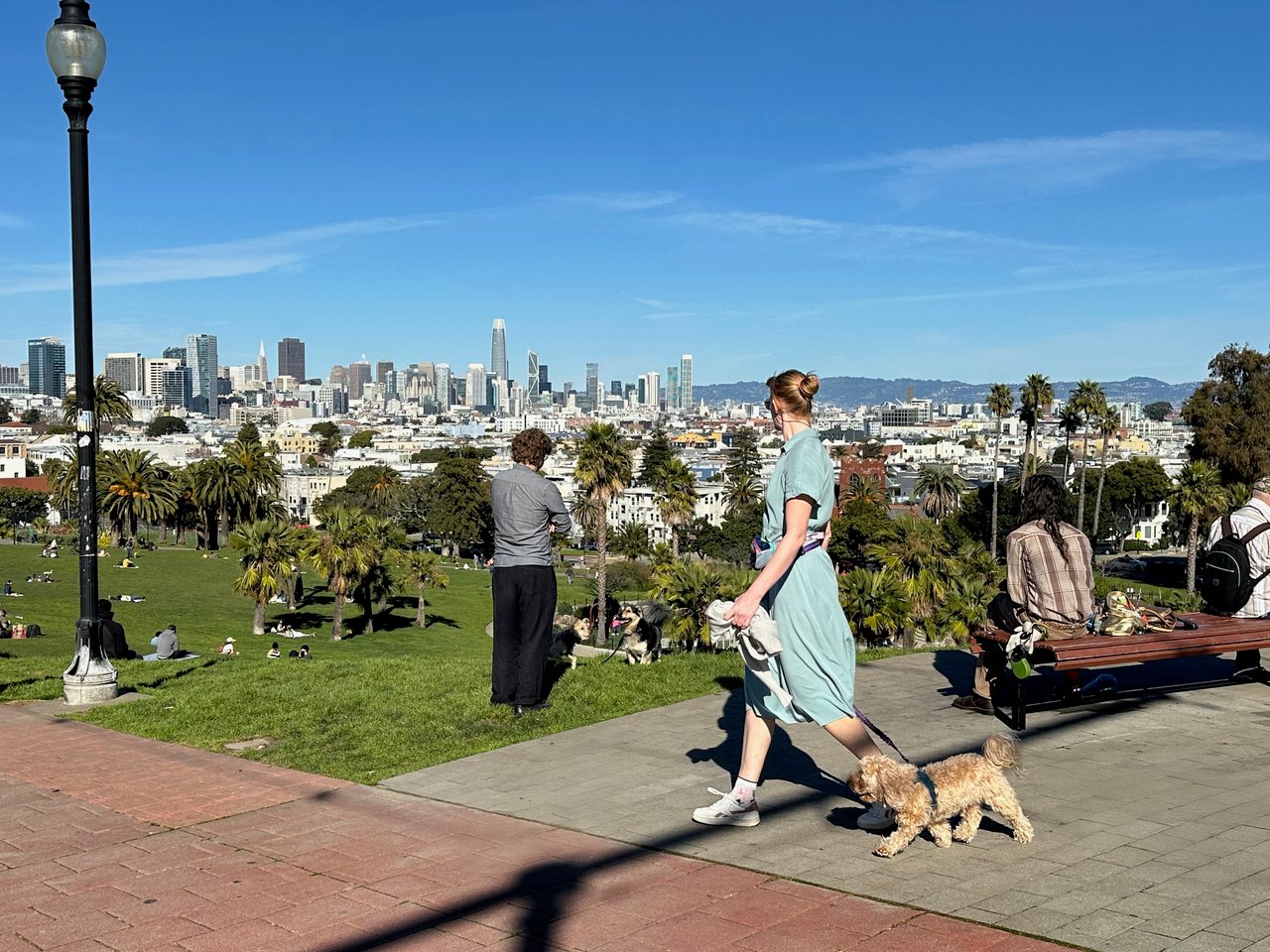
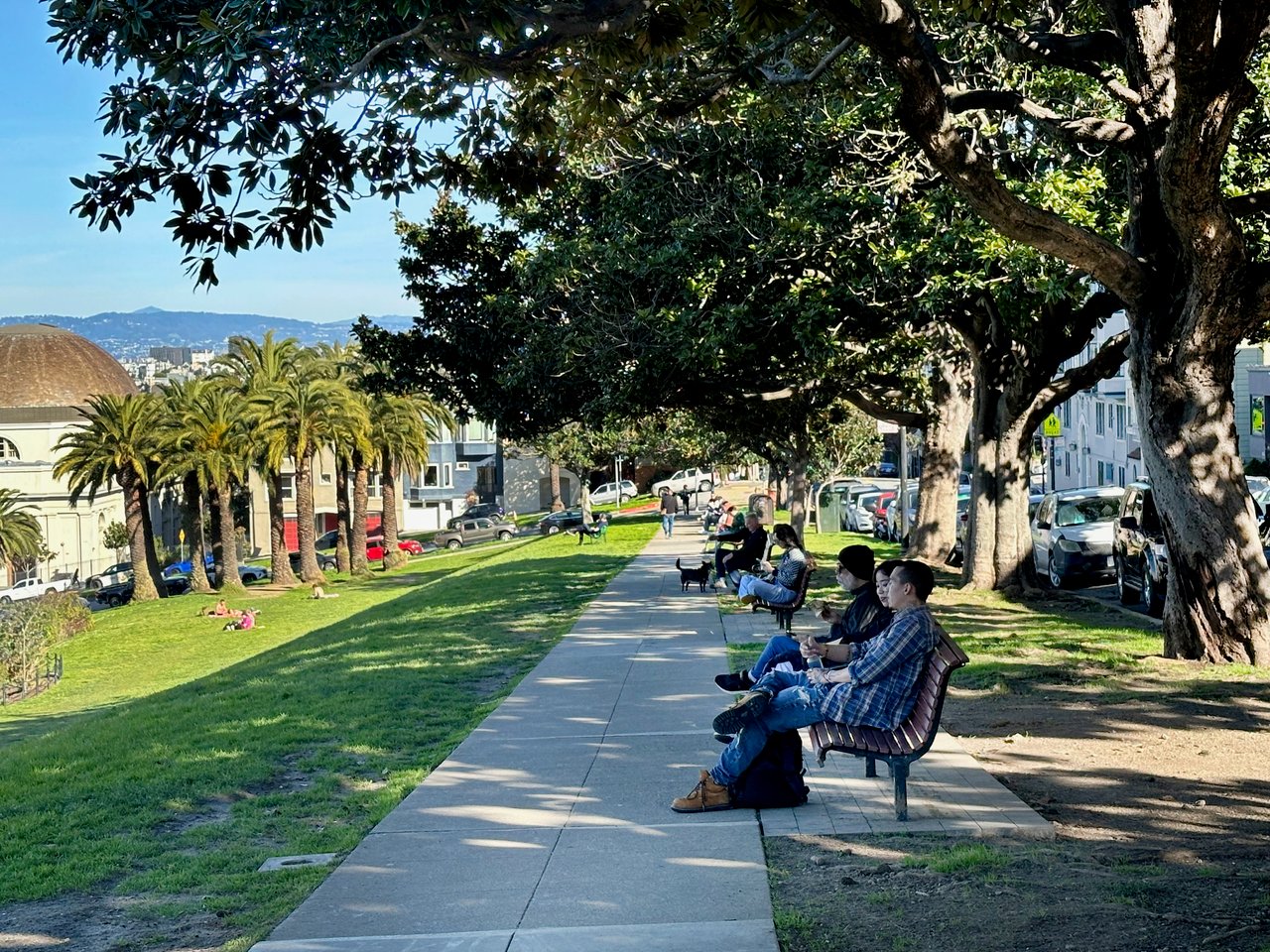
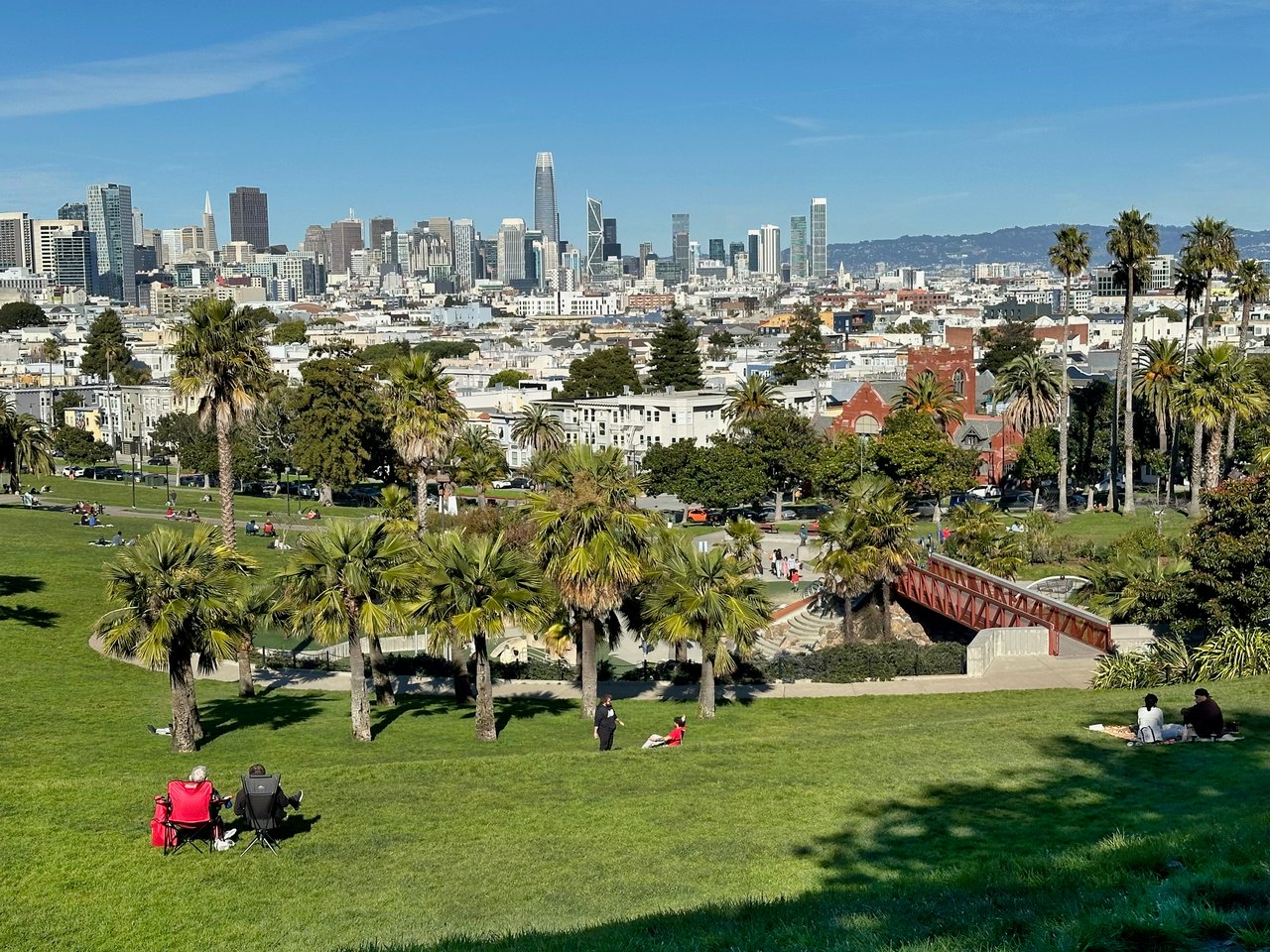
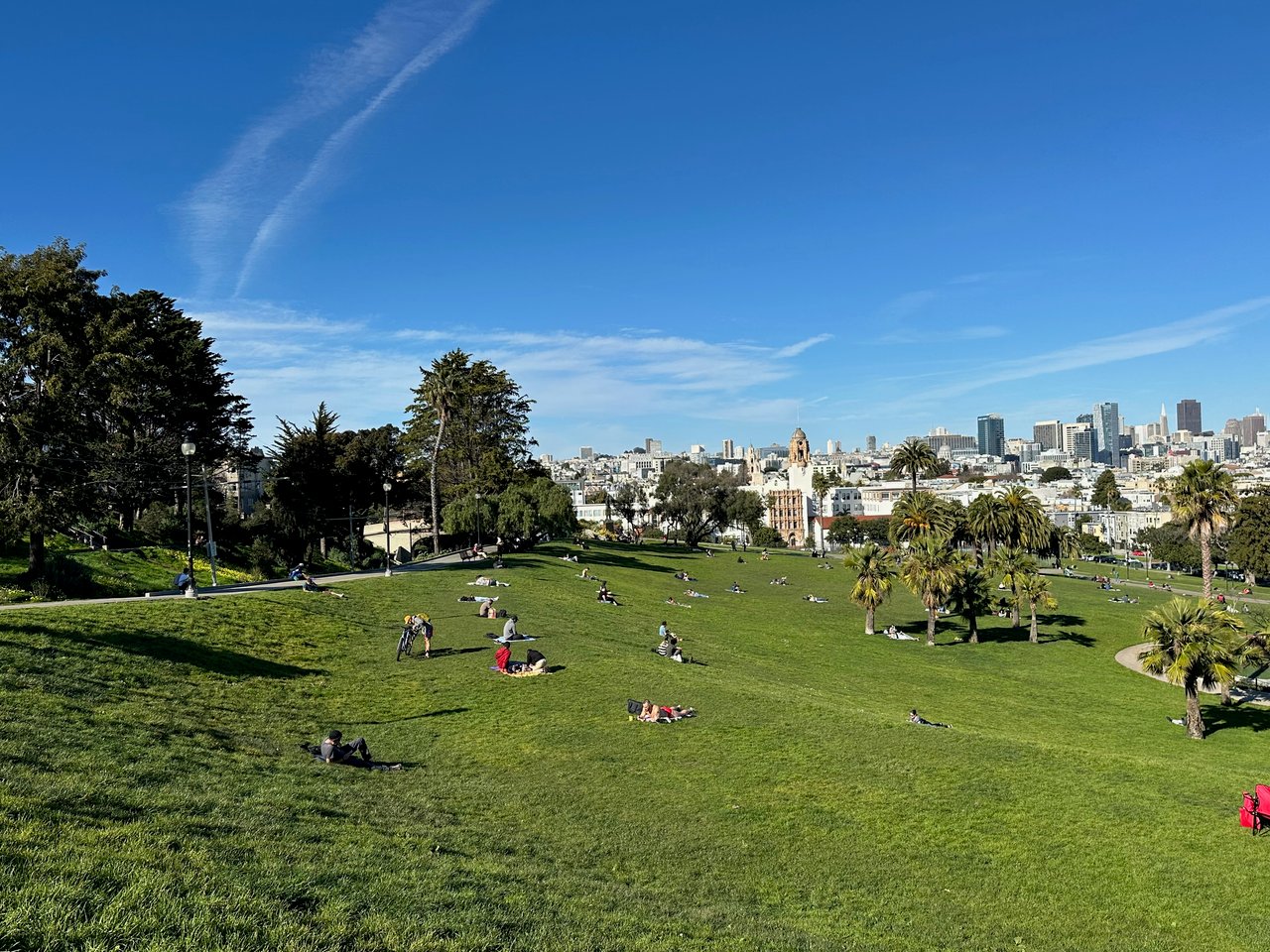
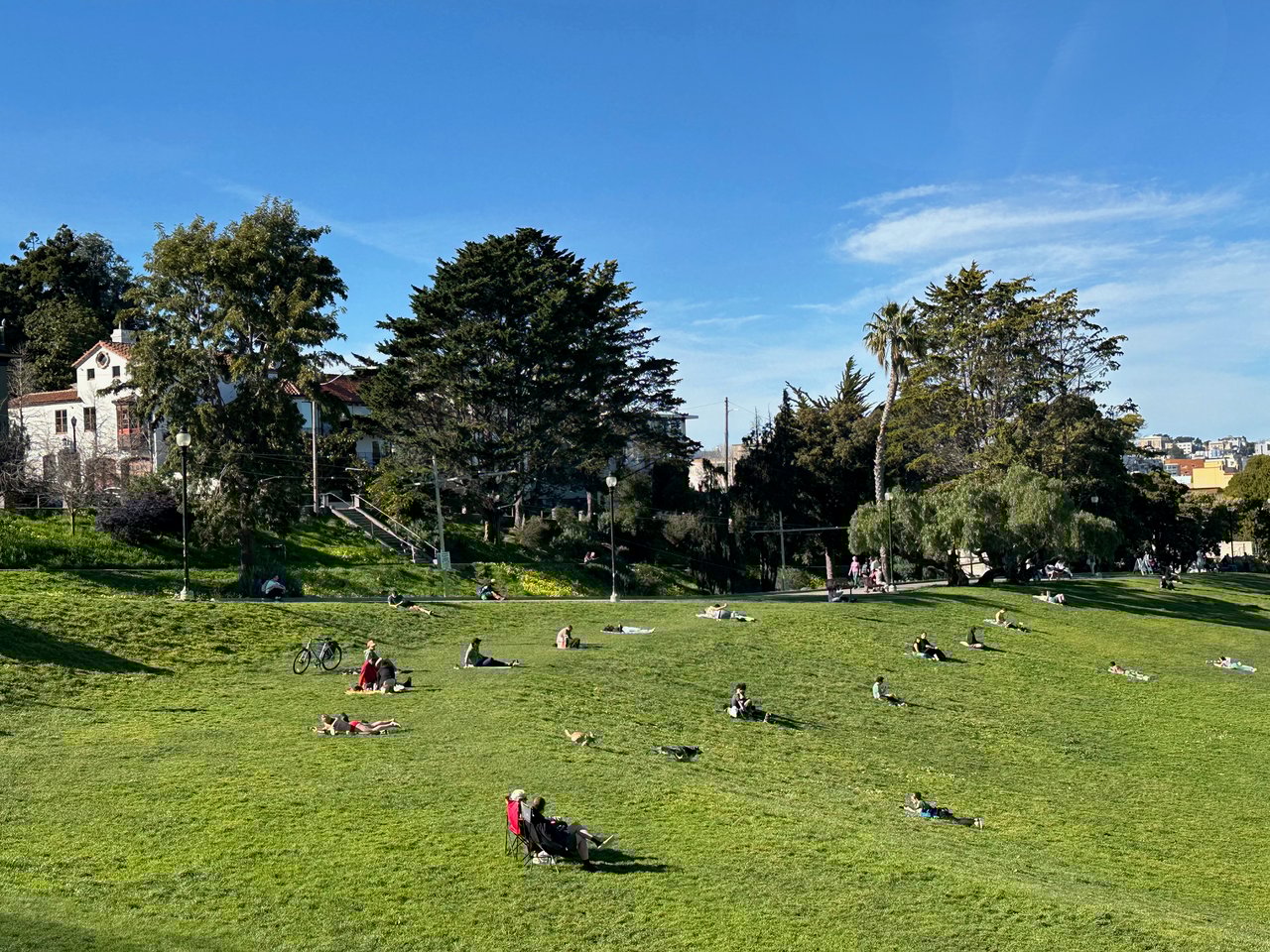
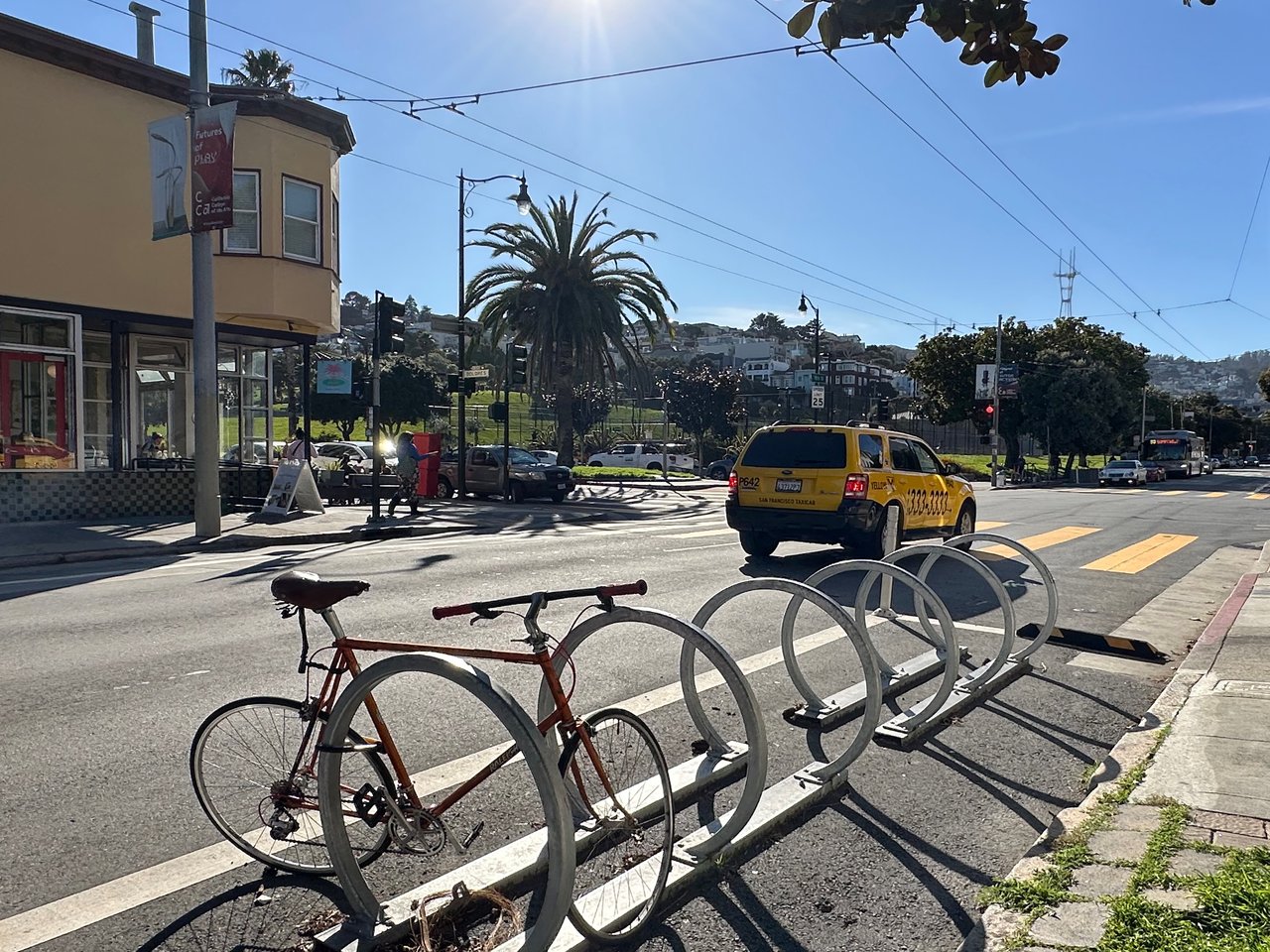
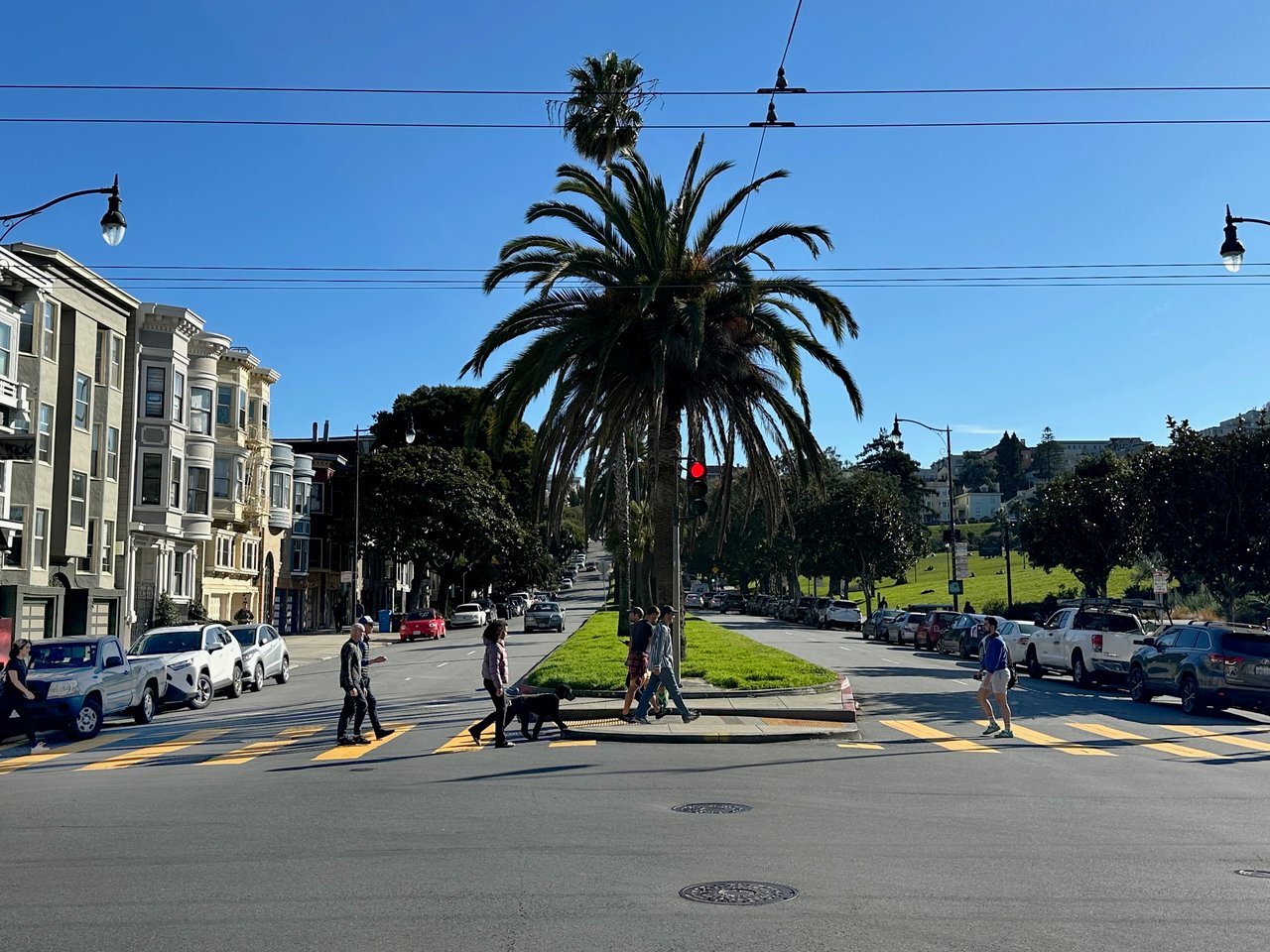
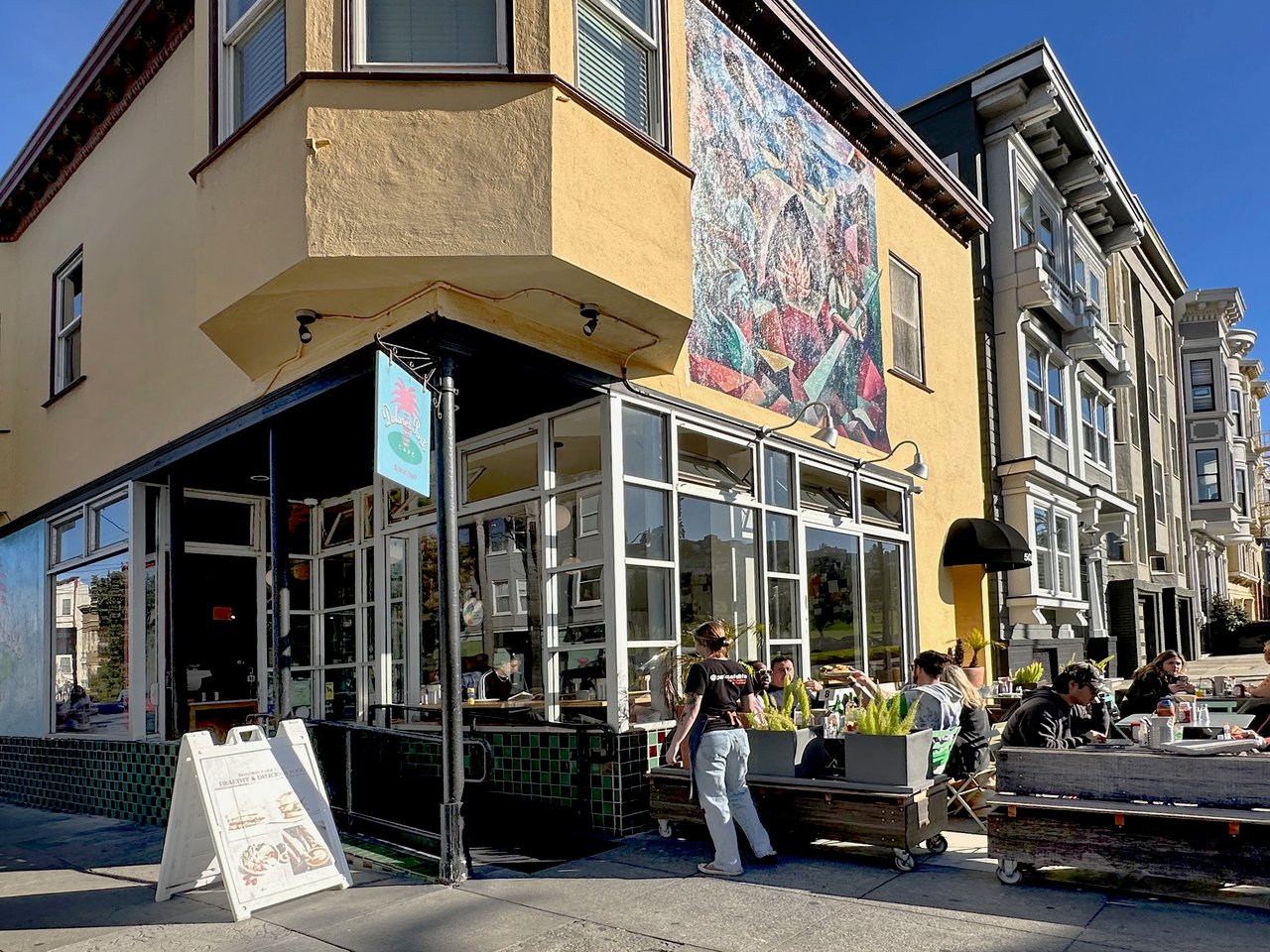
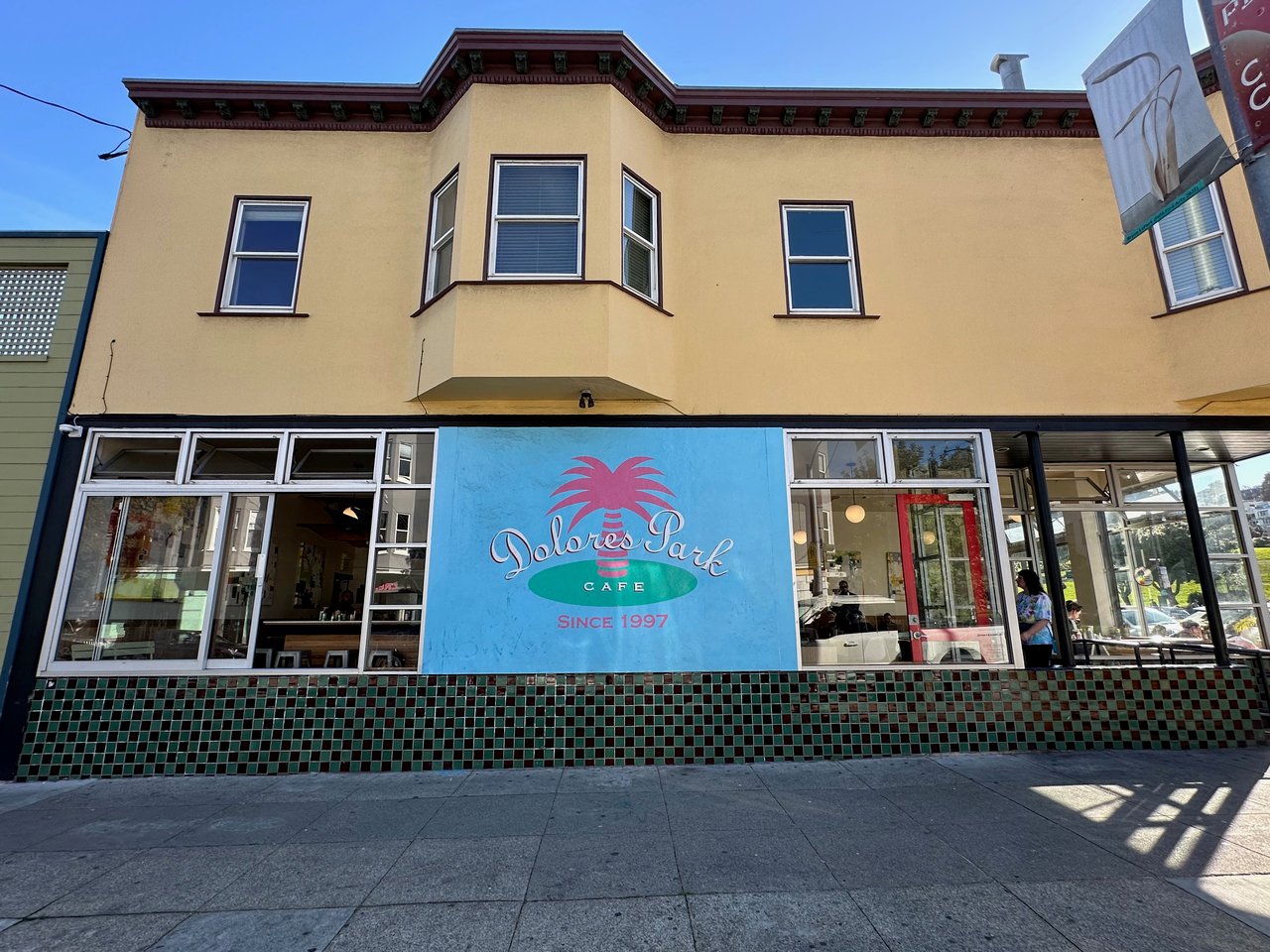
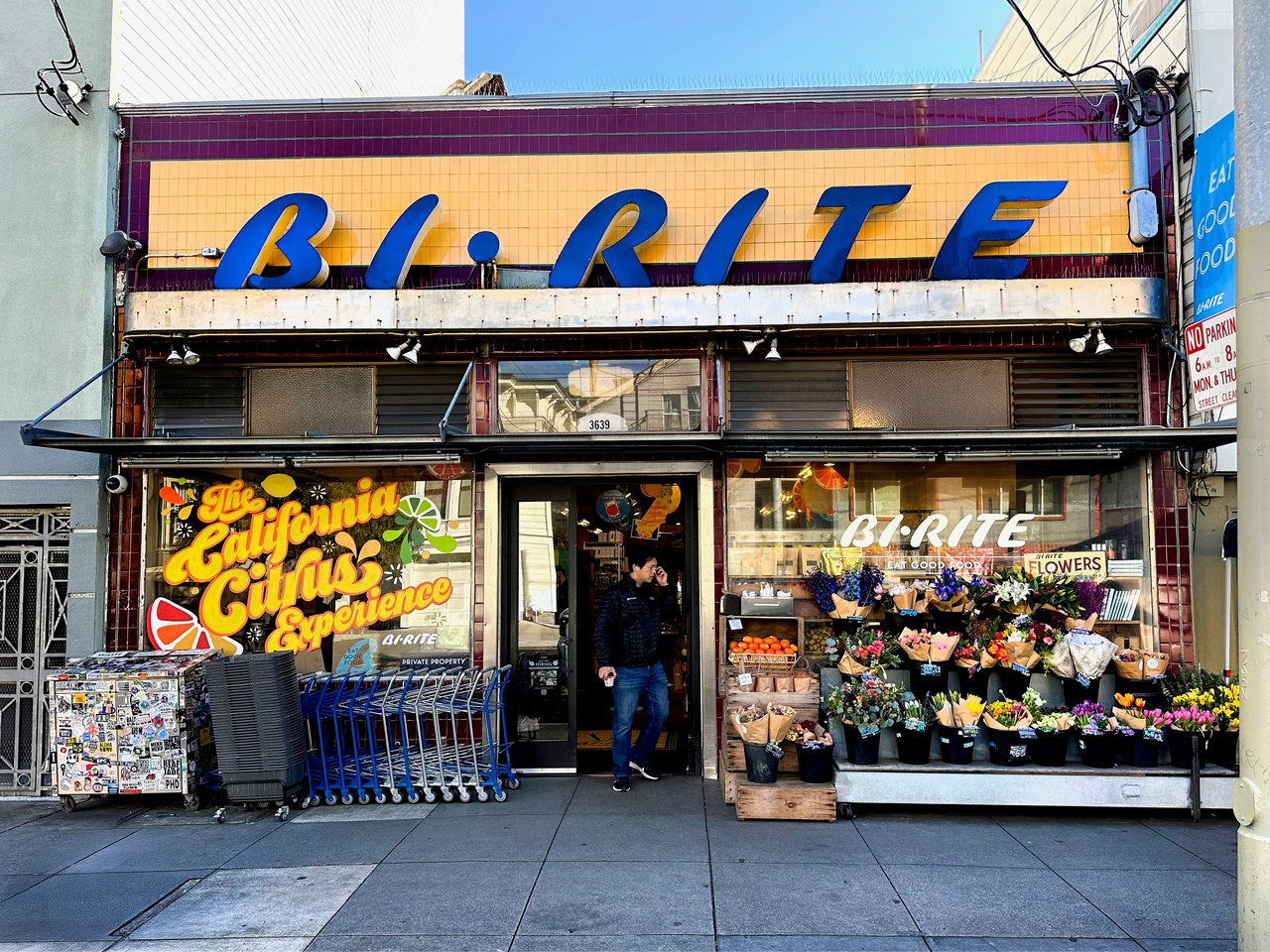
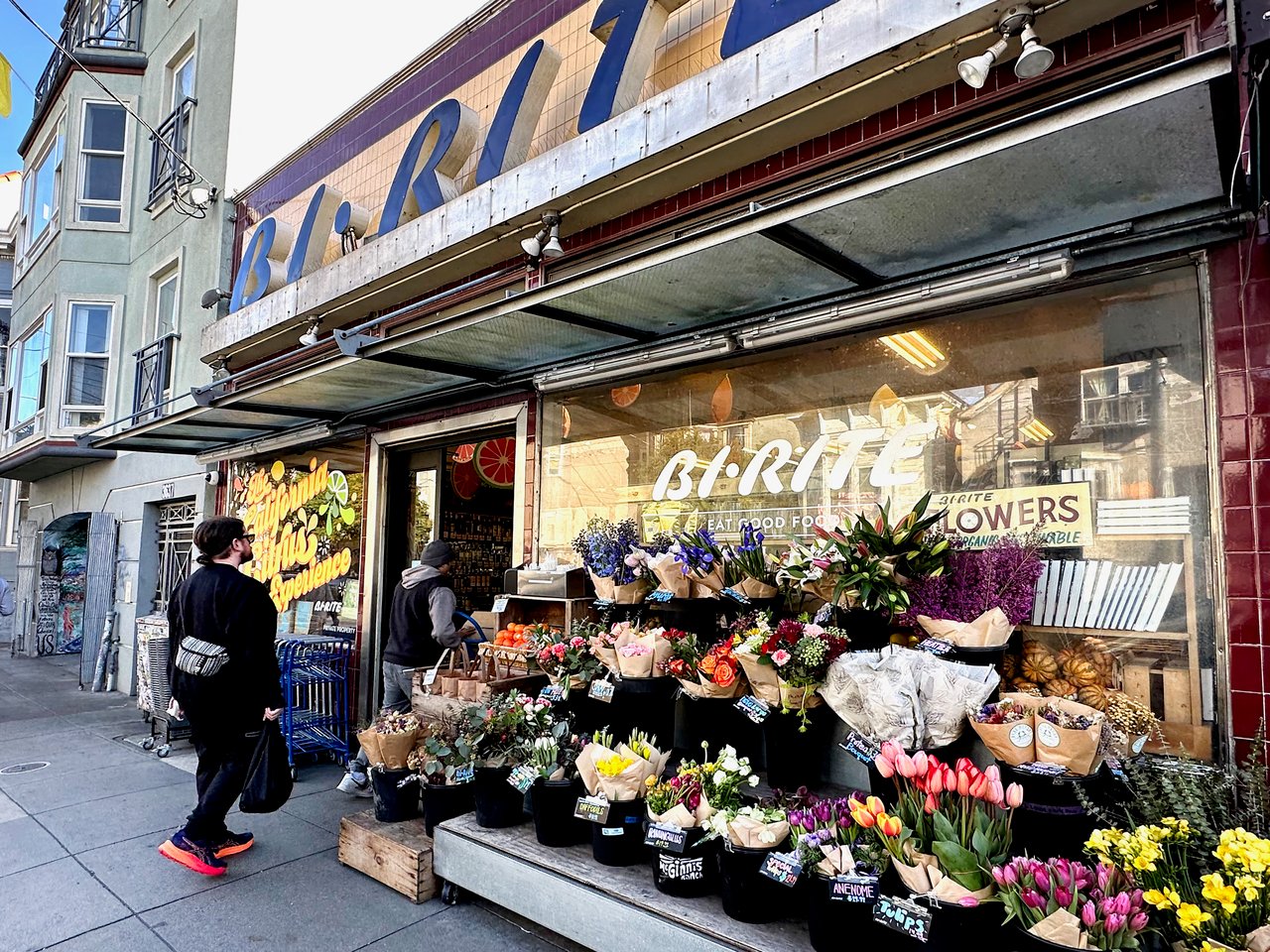
Eureka Valley and Dolores Heights share the hillside above the Castro and Mission Dolores Park, with homes that offer elevated positioning, views toward the Bay, and immediate access to one of the most beloved parks in San Francisco. Dolores Park is the city's living room on any warm weekend — tennis courts, a carousel, the famous Bi-Rite Creamery at the park's edge, and a hillside that functions as the best outdoor social venue in the city. The Mission's restaurant corridor — Tartine Manufactory, Trick Dog, Delfina — is walkable.
Eureka Valley and Dolores Heights are among District 5's most prized addresses, with Victorian and Edwardian homes on elevated lots consistently drawing the district's most competitive bidding.
Mission Dolores (5M)
Mission Dolores is the oldest neighborhood in San Francisco — anchored by the Mission Dolores Basilica, founded in 1776, and the adjacent park that carries its name. The housing stock reflects that history: intact Victorians and Edwardians that survived the 1906 earthquake, on blocks that retain their 19th-century scale. The neighborhood sits at the western edge of the Mission's dining corridor and at the southern edge of the Castro's energy, inheriting the best of both without belonging fully to either.
Schools — District 5: District 5 has strong public school options at multiple levels. Noe Valley/San Miguel Elementary and Alvarado Elementary serve the southern portions of the district. Sanchez Elementary serves the Castro and Eureka Valley area. For middle school, James Lick Middle School (6–8) serves much of the district. Abraham Lincoln High School (9–12) and The Academy (an SFUSD alternative high school) are accessible public options. Private institutions serving the district include The Urban School of San Francisco (9–12), one of the city's most well-regarded progressive independent high schools, located on Page Street in the Haight; San Francisco University High School (9–12); and Lick-Wilmerding High School (9–12) accessible via Muni.
Transportation — District 5: District 5 has exceptional transit coverage. The J-Church, K-Ingleside, L-Taraval, and M-Oceanview Muni Metro lines serve multiple points in the district, connecting to downtown in 15–25 minutes. The N-Judah runs through Cole Valley on Carl Street. The 24-Divisadero, 35-Eureka, 37-Corbett, and 48-Quintara buses serve the hillside neighborhoods. Glen Park BART Station anchors the southern edge of the district — downtown Financial District in under 15 minutes — and is one of the most valuable transit assets in the district for move-up buyers who commute. Church Street and Castro Street are major Muni arteries with frequent service. I-280 and US-101 access via Cesar Chavez Street makes Peninsula commutes straightforward from the southern neighborhoods.